

7mm-08 Remington Pet Loads
Mild recoil, outstanding accuracy and handloading versatility make the 7mm-08 a favorite among knowledgeable hunters.
feature By: Brian Pearce | October, 26
It was a windy, cold day on the high plains of Wyoming as friend and fellow gun writer Clair Rees and I glassed the wide open rolling hill country for a trophy-class buck antelope. Remington had just introduced a new Model 700 Classic chambered in 7mm-08 and forwarded me an early example.
After returning home, my son Porter wanted to go deer hunting, and I suggested he take the above Model 700 Classic out and put a few rounds
The 7mm-08 Remington offers a unique blend of performance that appeals to hunters and target shooters. While it has enjoyed widespread popularity over the last 46 years, in recent years it has been enjoying even greater interest among younger generations who are discovering its many virtues. It is an excellent cartridge with a proven track record in the field and on the range. As usual, it can be improved and becomes more versatile through handloading. But first, let’s briefly consider its history.
In 1980, rifle silhouette competitions were very popular, and many competitors were using the 7mm/308 wildcat (first developed in the 1950s) to win matches. It not only proved exceptionally accurate, but it had a near-perfect blend of power to knock over the long-range rams (no score if they don’t topple), produced modest recoil and was very accurate. Period 7mm bullets boasted respectable ballistic coefficients ballistic coefficients (BC). for high retained downrange velocities that have been further improved today.
Period factory load ballistics listed a 140-grain bullet at 2,860 feet per second (fps) from 24-inch barrels, which remains a top-choice bullet weight and velocity combination for general use on deer, antelope and similar game; however, new bullet designs allow lighter weight versions to be used with success, while heavier bullets are generally preferred for larger species. In checking the 140-grain Remington factory load from a
22-inch barrel, actual velocity was 2,664 fps. This particular lot number seems slow when compared to previous testing of factory loads with different lot numbers. Regardless, duplicating listed velocities through handloading is relatively easy when the correct combination of components is selected. However, many propellants can significantly improve upon those ballistics, which we will discuss further in a moment.
I’m always hesitant to compare cartridges, as there are so many variables and a given cartridge should be able to stand on its own merit. However, a truly legendary cartridge is the 7x57 Mauser that was first introduced in 1892. While it was a widely respected military cartridge that quickly became feared by U.S. troops during the Spanish-American War in 1898 due to its sleek bullets and long-range ability, it has also earned a remarkable reputation as a big game cartridge in spite of its moderate ballistics. Traditionally, it was loaded with 175-grain bullets at around 2,440 fps; however, in an effort to flatten trajectory at typical distances that game are hunted, more modern loads push 139- and 140-grain bullets around 2,740 fps or 154-grain bullets at 2,690 fps.
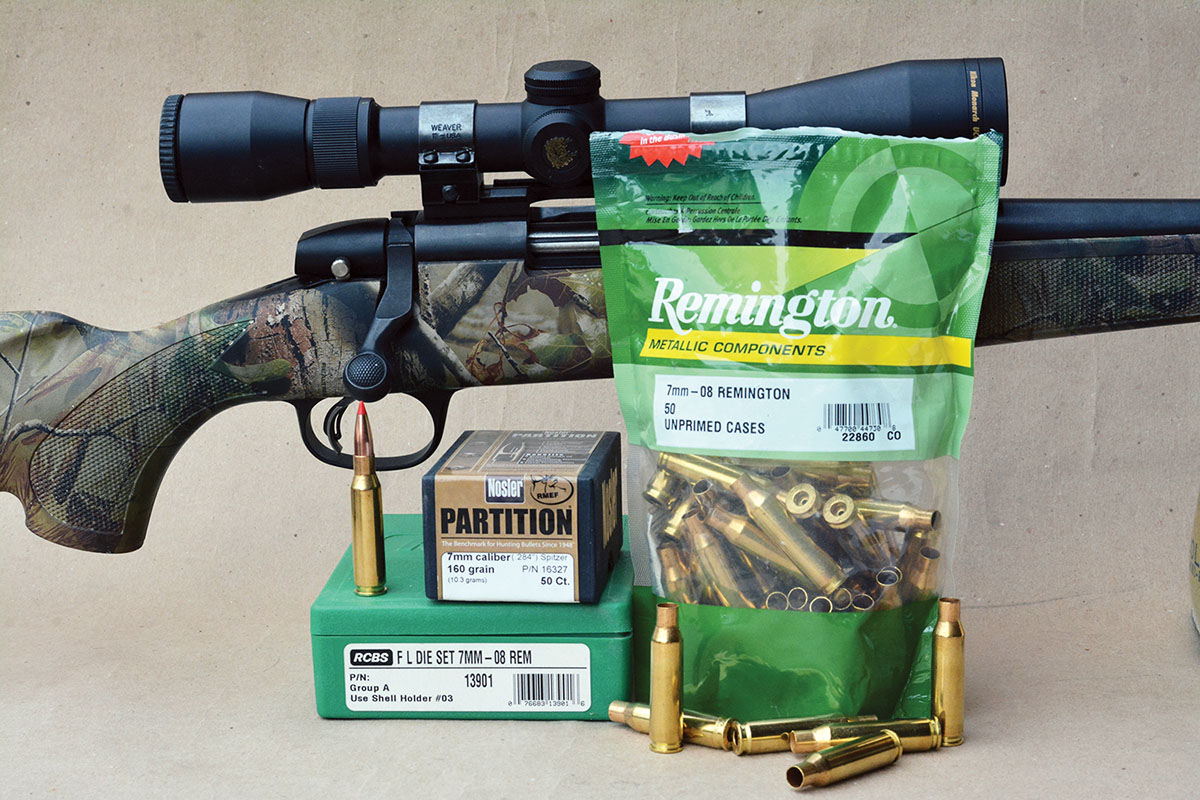
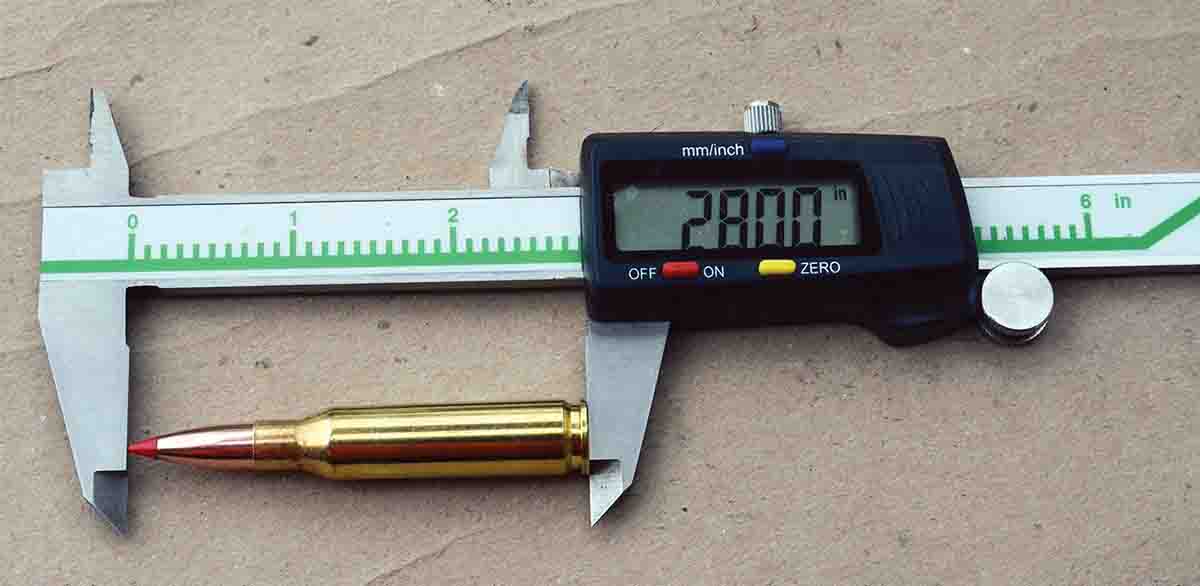
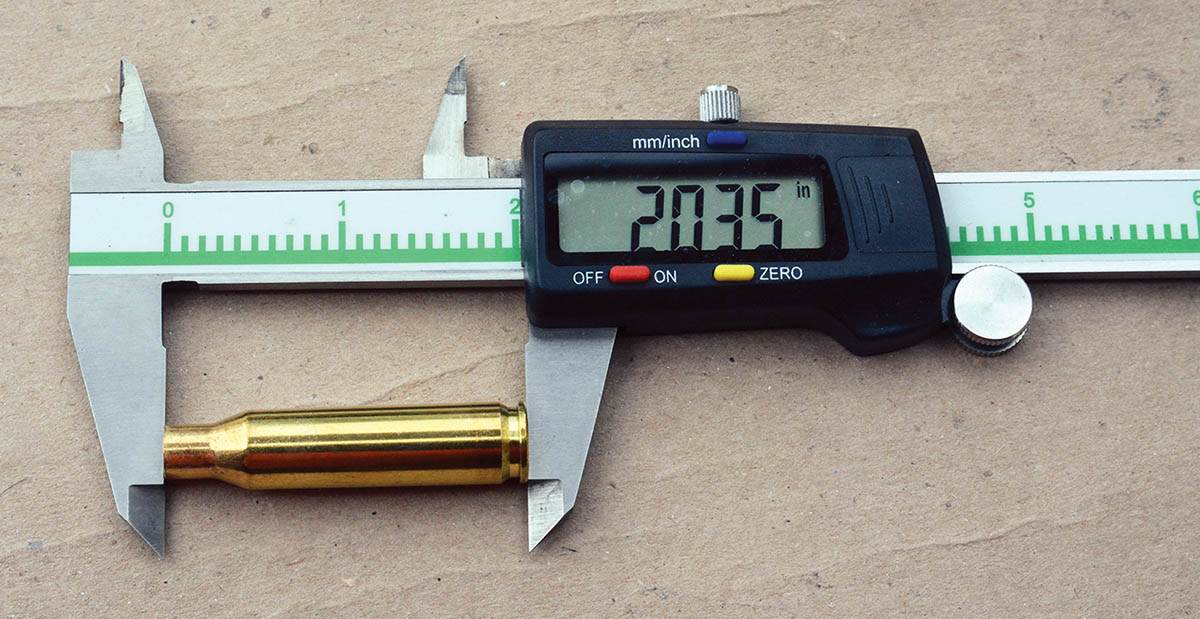
As indicated, the 7mm-08 was created by simply necking the 308 case down to accept .284-inch bullets and shares the same 20-degree shoulder. However, the case is slightly longer at 2.035 inches, while the 308 has a maximum length of 2.015 inches.
Most rifles feature a 1:9 to 1:9.5-inch barrel twist, including Remington, Thompson Center, Winchester, Browning, Sako, Weatherby, Howa and others. However, Savage rifles have been listed with, or observed with, 1:9, 1:9.5 and 1:10 twists. In working with rifles with a 1:9, 1:9.25 and 1:9.5 twist, they will stabilize bullets weighing from 100 to 175 grains.
Case capacity will vary from one manufacturer to the next, sometimes significantly. For this reason, it is suggested not to mix cases. Cases with the least capacity will develop greater pressures. Starline cases were initially worked with that proved to be excellent quality and gave minimal case head expansion with maximum loads; however, I did not have enough on hand to shoot the extensive “Pet Loads” data in the accompanying table. I did have a large quantity of new bulk-packed Remington cases and elected to develop all loads using the R-P case. Naturally, they were carefully prepared with flash holes deburred, full-length sized, weight sorted, trimmed, chamfered, etc. to eliminate variables. For the accuracy-minded shooter, case preparation is a crucial step in assembling precision and accurate loads. For those that might be handloading for lever-action or auto-loading rifles, to assure proper chambering of reloaded rounds, cases that have been previously fired, a small base sizing die is suggested.
If handloading for a rifle chambered for the wildcat 7mm/308 cartridge made prior to 1980, there are probably chamber dimension differences when compared to the SAAMI standardized 7mm-08 Remington. The specifications might be minor and will often permit the use of standard 7mm-08 reloading dies and cases, but other rifles may not accept a SAAMI specification cartridge.
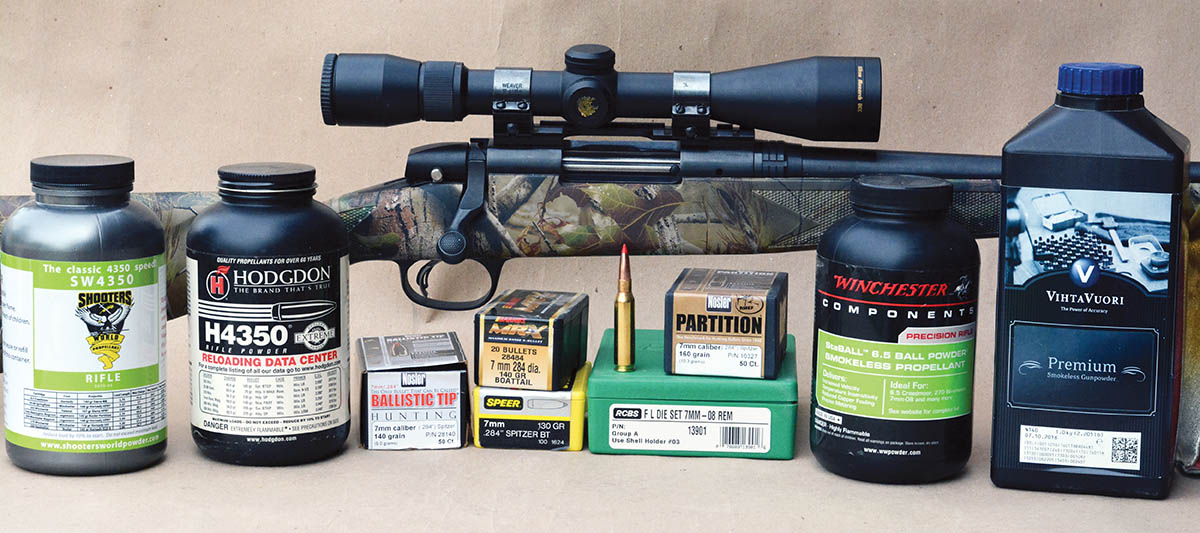
Due to the moderate powder charge weights, standard large rifle primers are suggested, and they offer plenty of energy to achieve reliable ignition. CCI BR-2 standard large rifle primers are used exclusively herein.
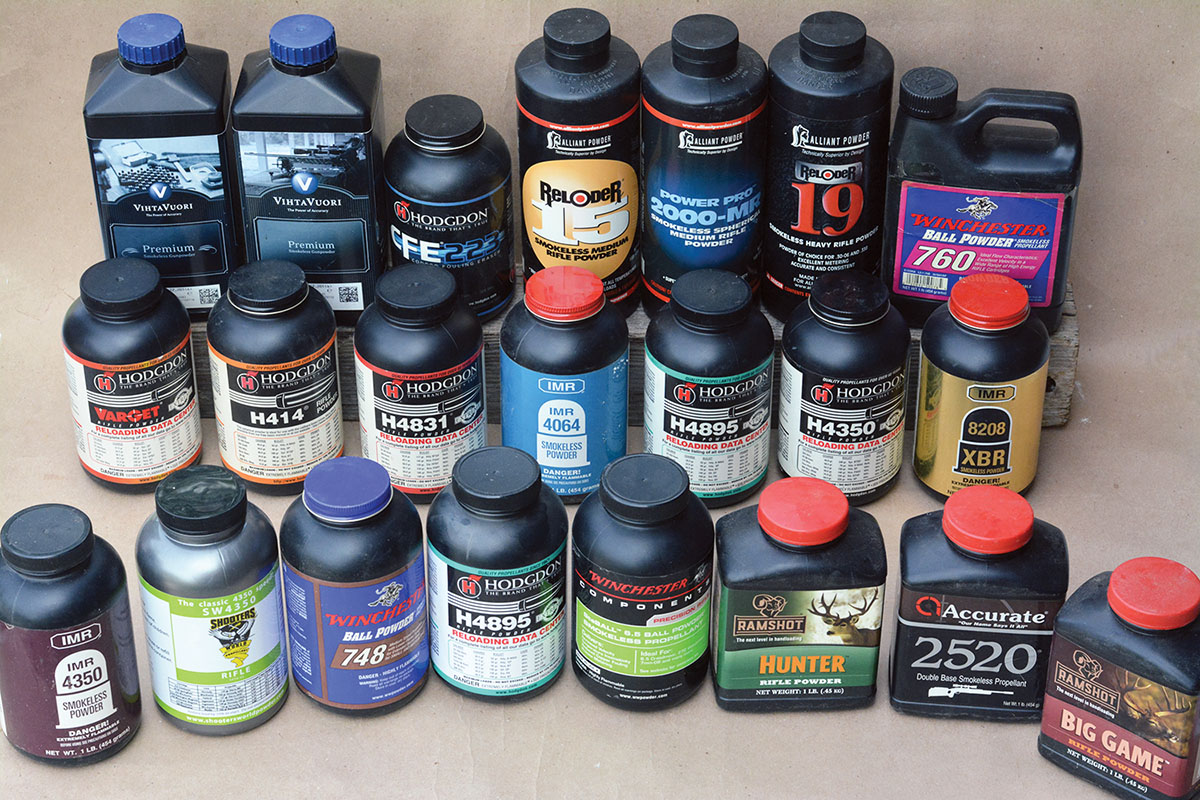
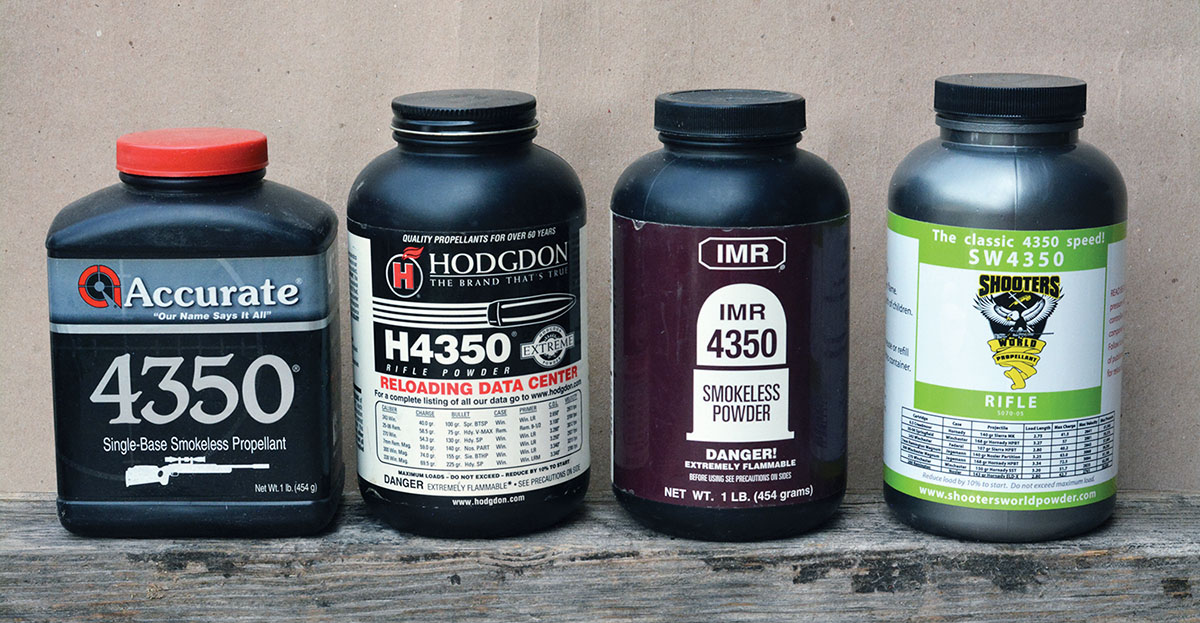
Many powders produced excellent results in the 7mm-08 that included both spherical and extruded propellants. Burn rates selected included powders starting with IMR-8208 XBR on the fast side to Alliant Reloder 19, IMR-4831 and Ramshot Hunter on the slow side. Powders with a burn rate similar to 4350 are mainstream choices for most bullet weights.
Spherical powders have become better and better and in many instances gave impressive velocities, low extreme spreads and excellent accuracy. One initial advantage is that they meter with great consistency and, when thrown from a quality powder measure, charge weights are virtually the same from one charge to the next.
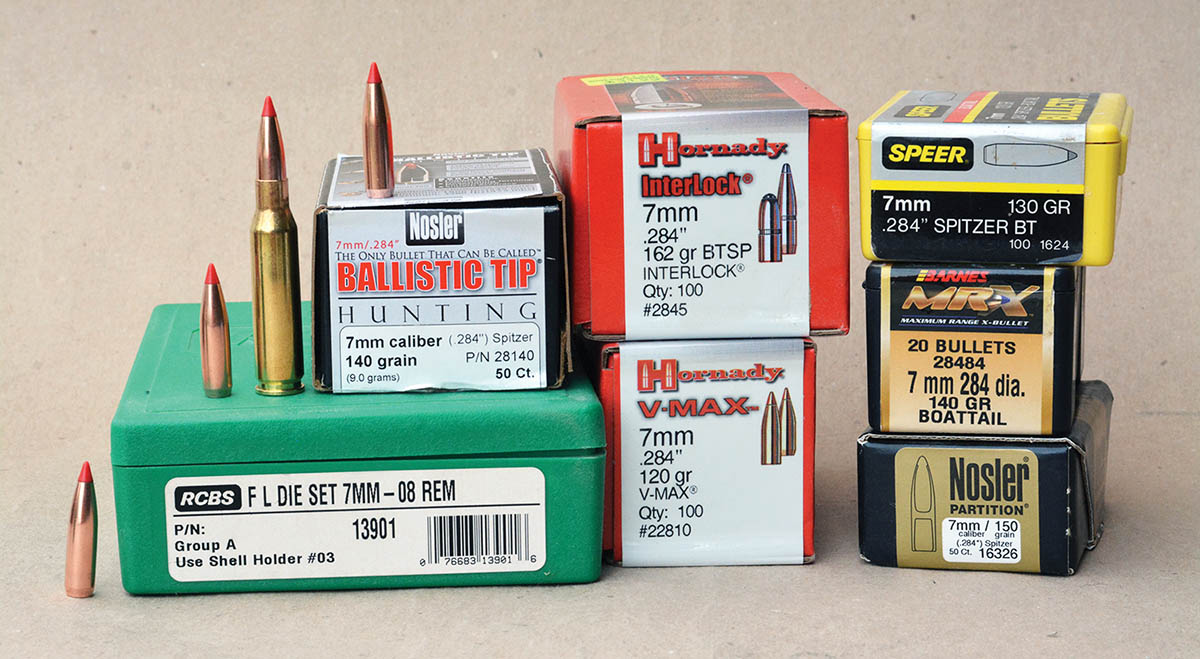
For those trying to speed up the reloading process, they are great choices. Winchester W-760, Hodgdon H-414 and Accurate A-2700 are proven choices that performed well with a variety of bullet weights. Winchester StaBALL 6.5 is a high-tech powder that is winning matches, is temperature insensitive and often produces top velocities. For example, 48.5 grains pushed the 140-grain Nosler Ballistic Tip to 2,943 fps. To put this in perspective, the 270 Winchester loaded with a 140-grain bullet is listed at 2,950 fps, but from most rifles with a 22-inch barrel that load usually clocks below 2,900 fps. Ramshot Big Game and Hunter also produced top overall performance. Alliant Power Pro 2000-MR gave some very impressive velocities with a wide range of bullet weights. For example, 49.0 grains pushed the 120-grain Hornady V-MAX to 3,151 fps, while 47.0 grains pushed the 139-grain Hornady SST bullet to 2,929 fps, both of which are substantial velocity gains over listed factory load ballistics.
Extruded powders still perform very well, and many match target shooters continue to win with them. A few standout examples are IMR-8208 XBR, IMR-4064, Hodgdon Varget, H-4350, H-4895, Vihtavuori N-140, N-150, N-160, Alliant RL-15, RL-17 and RL-19.
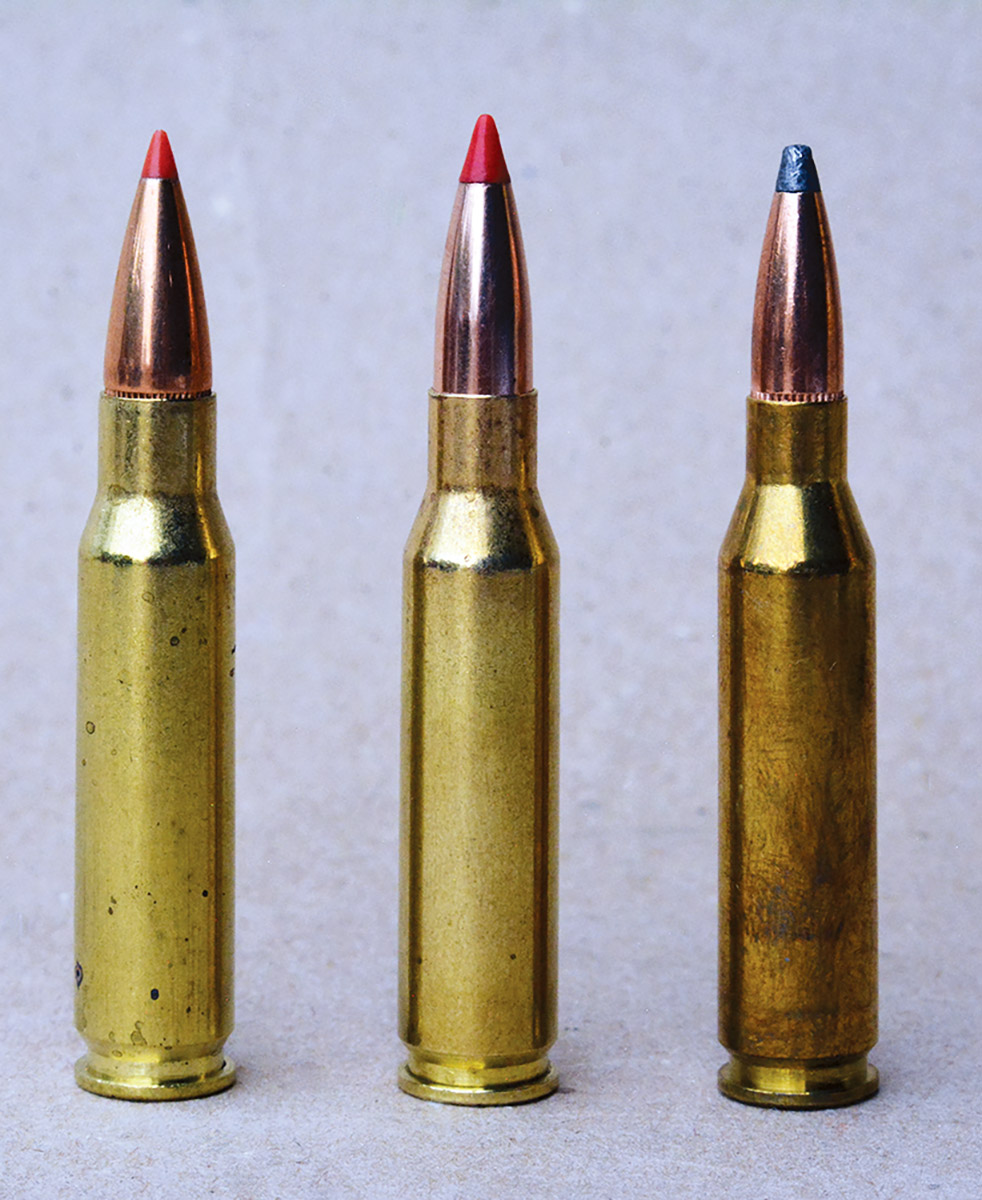
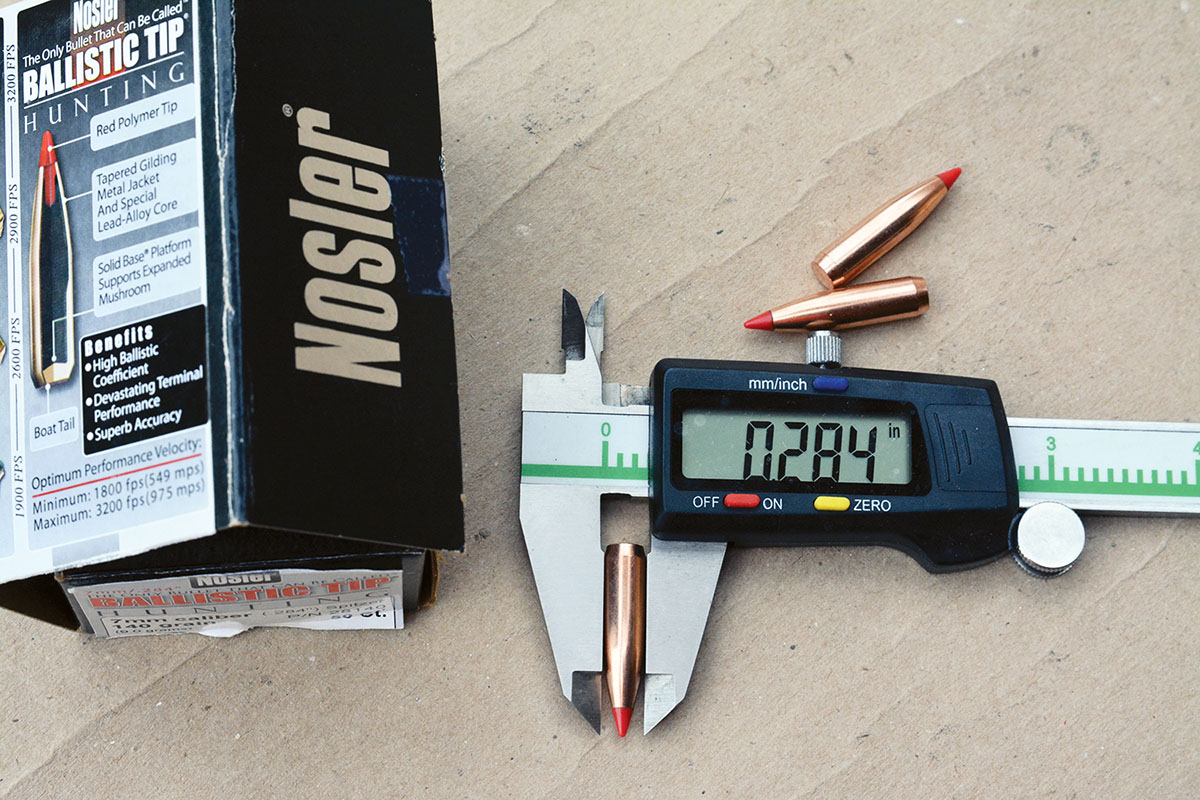
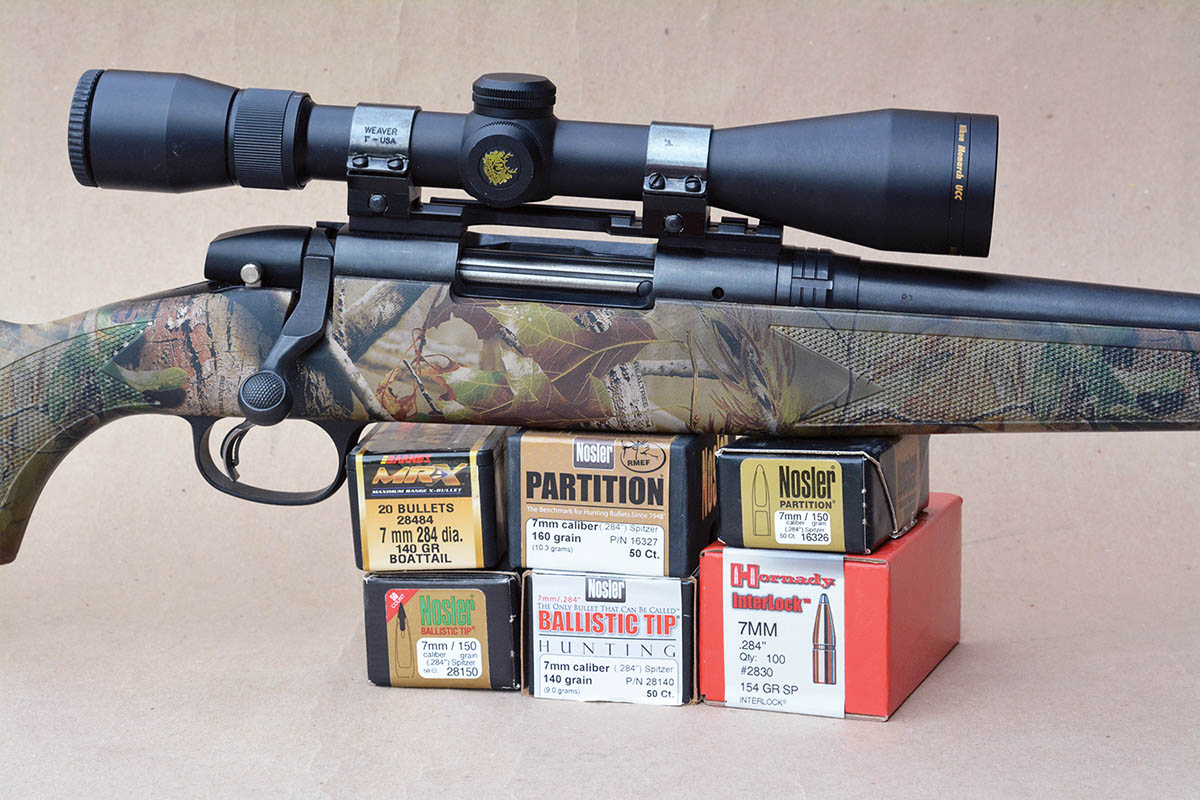
Suffice to say that the selection of great 7mm bullets is extensive and includes match, varmint and big-game hunting versions for any practical application ranging from coyotes to moose to African plains game. Various 139- and 140-grain bullets remain top choices for hunting deer-sized game and include the Nosler Ballistic Tip, AccuBond and Partition, Hornady SST and Swift A-Frame. For heavier species, various
150-grain bullets are also excellent choices and can be pushed to 2,700 to 2,750 fps with select powders for a respectable flat trajectory at normal hunting distances. For moose and heavy, thin-skinned African game, the 140-grain Barnes Tipped Triple Shock X-Bullet and heavily constructed 160- to 175-grain bullets such as the Swift A-Frame and Nosler Partition are excellent choices; however, don’t expect them to expand the same as 7mm Magnums at longer distances.
As can be seen in the accompanying “Pet Loads” table, many handloads offered a significant improvement over factory load performance. While many older powders still performed extremely well, new powders and bullets are serving to make the 7mm-08 better than ever. Regardless, it is a truly outstanding cartridge that is capable of taking most thin-skinned game from mice to moose with correct loads. It offers long barrel life, efficiency, accuracy, modest recoil and is housed in short-action rifles. No wonder it remains popular after 46 years.
.jpg)
.jpg)
.jpg)
.jpg)