Login


Wolfe Publishing Group
    Menu

    Cartridge Board

    35 Winchester


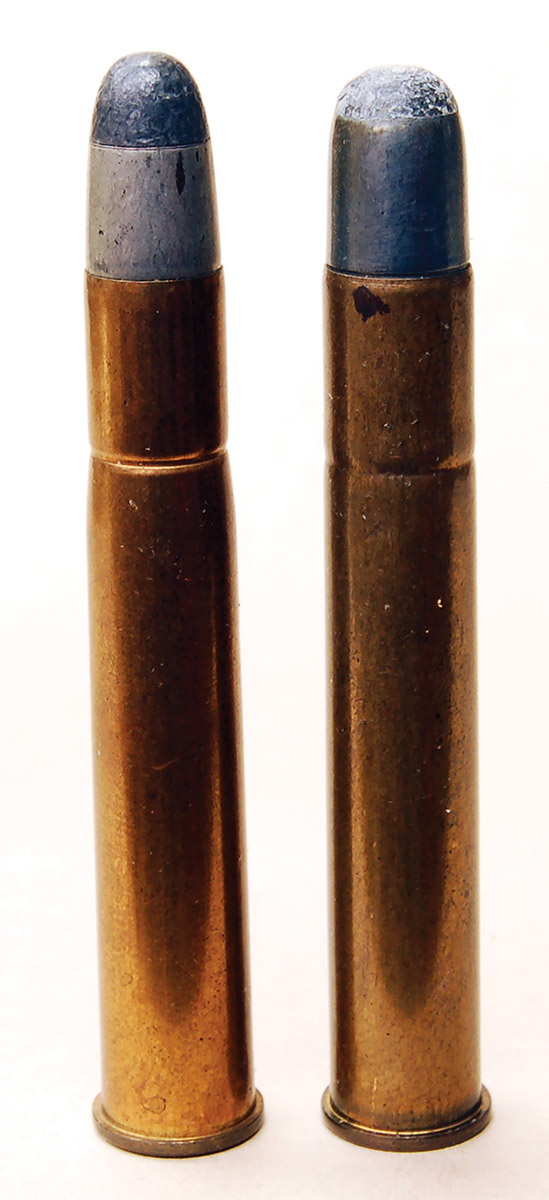
    The 38-72-275 (left) and 40-72-330 (right) were both new rounds in 1895 but were loaded with either black powder or smokeless and jacketed bullets from day one. These are smokeless.
    The 38-72-275 (left) and 40-72-330 (right) were both new rounds in 1895 but were loaded with either black powder or smokeless and jacketed bullets from day one. These are smokeless.
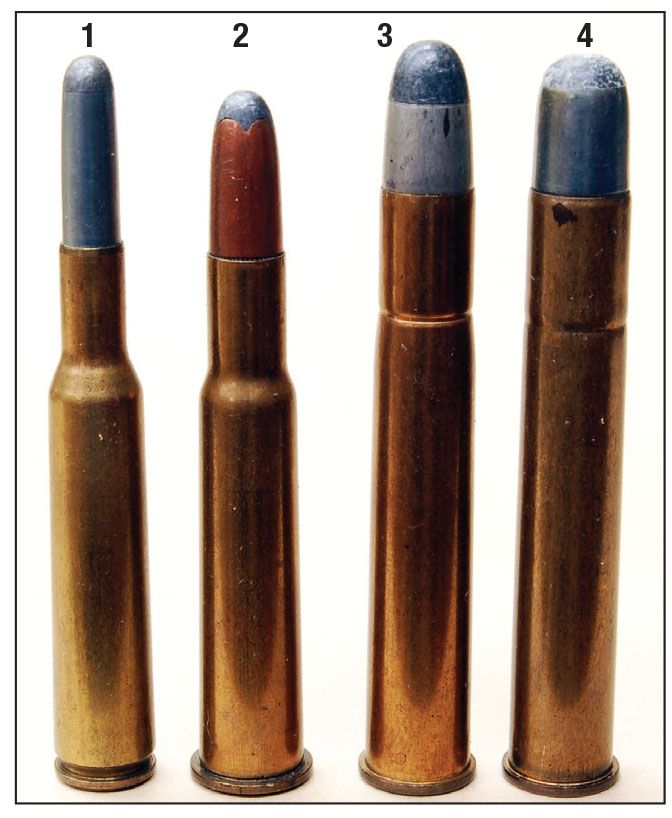
    Four cartridges  originally chambered in the Winchester M1895: (1) 236 Navy, (2) 30 U.S. Army, (3) 38-72-275  Winchester and  (4) 40-72-330 Winchester.
    Four cartridges originally chambered in the Winchester M1895: (1) 236 Navy, (2) 30 U.S. Army, (3) 38-72-275 Winchester and (4) 40-72-330 Winchester.
    When researching cartridge history, it is often found that the story of the gun firing the round is just as interesting as that of the cartridge itself. This is certainly true for the round the company called the 35 Winchester, 35 Winchester Center Fire (WCF) or simply “the 35.”

    By 1890, Winchester knew the era of the large-bore, black-powder cartridge was coming to an end. Nevertheless, management could not understand why any hunter would want anything but a lever-action rifle with its light weight and fast follow-up shots. Winchester was located in the thickly-wooded northeast part of the country; in fact, the whole continent was more heavily forested than today. Most deer hunters had never been anywhere that would allow a shot at over 150 yards, except a rifle range.

    Thus, it was that John Browning was tasked with designing a levergun that would handle cartridges up to 3.250 inches in length, had a box magazine and was strong enough to safely handle pressures much greater than those of smokeless cartridges of the time. In fact, the Winchester catalog of 1896, which first included the new M1895, stated: “The complete gun has been tested at 60,000 pounds
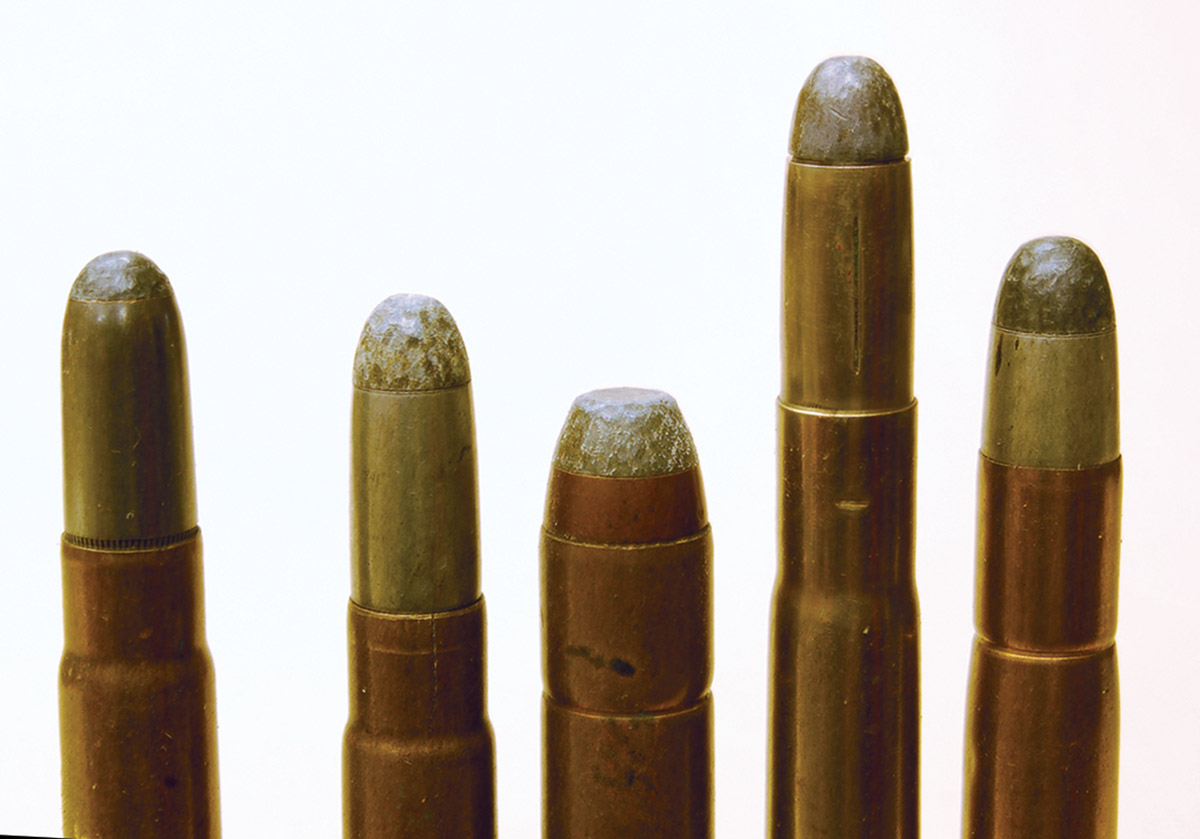
    Softpoint bullets used for 35 WCF (far left) did not have as much lead exposed as most others of the time.
    Softpoint bullets used for 35 WCF (far left) did not have as much lead exposed as most others of the time.
    pressure with a .30 Caliber Government shell and ball, giving velocities of 2,400 feet per second. The regular velocity required for this cartridge is 2,000 feet per second. Each gun has been proved in the rough and finished condition.” Winchester was well aware of the stories of damaged arms when firing smokeless ammunition and wanted to allay any such fears with the new Model 1895 rifle.

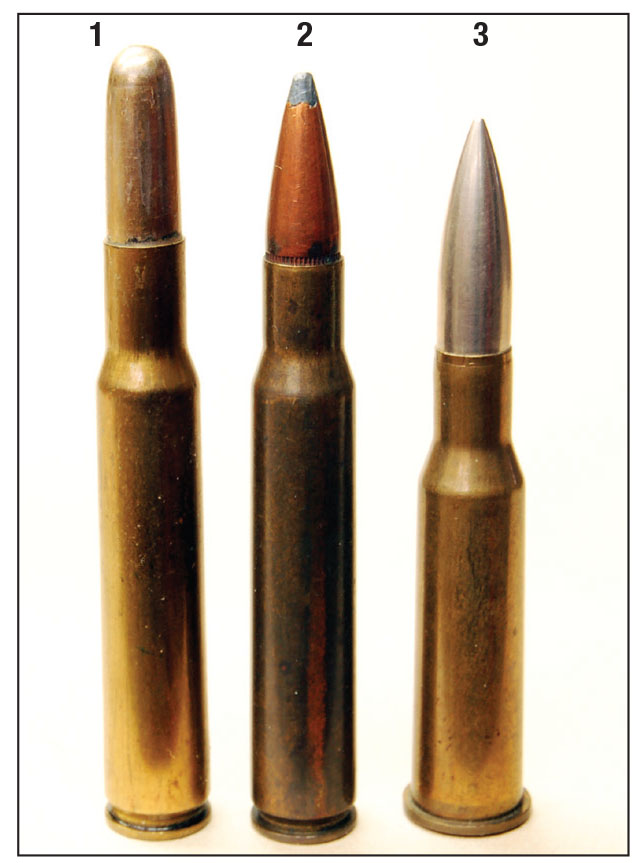
    The (1) . 30-03, (2) 30-06 and (3) 7.62x54mmR Russian were later offered in the M1895, hoping to generate military sales. Russia  purchased some 294,000 guns in military form.
    The (1) . 30-03, (2) 30-06 and (3) 7.62x54mmR Russian were later offered in the M1895, hoping to generate military sales. Russia purchased some 294,000 guns in military form.
    The first four cartridges offered in the M95 included two of the highest pressures then loaded, the 236 U.S. Navy (6mm Navy) and 30 U.S. Army (30-40 Krag). The Navy round didn’t last long with either the Navy or Winchester. It was gone from the next catalog.

    The other two rounds listed were the 38-72-275 and 40-72-330. They
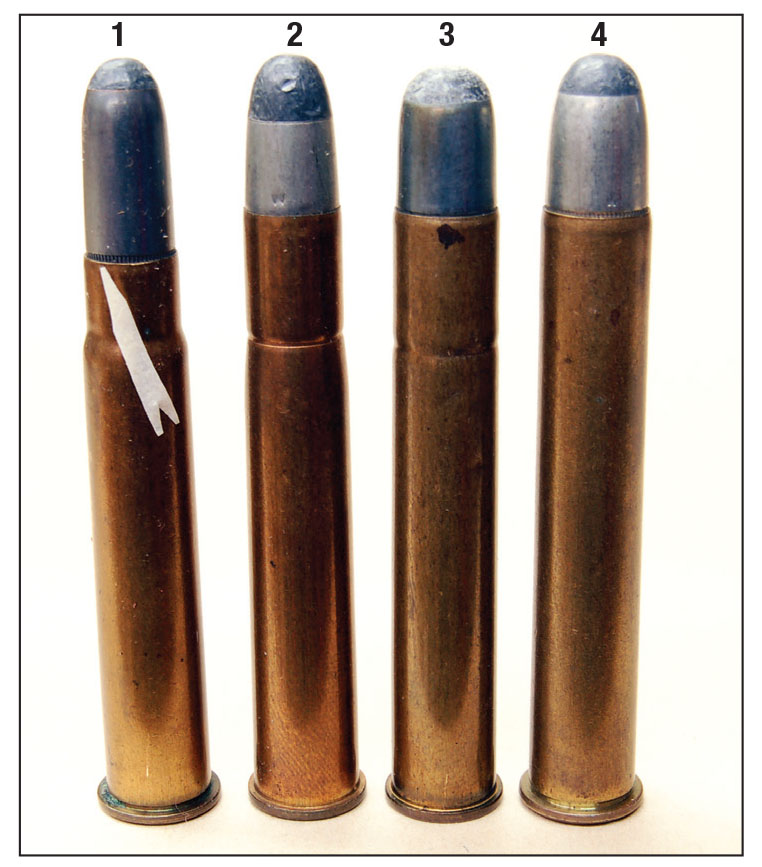
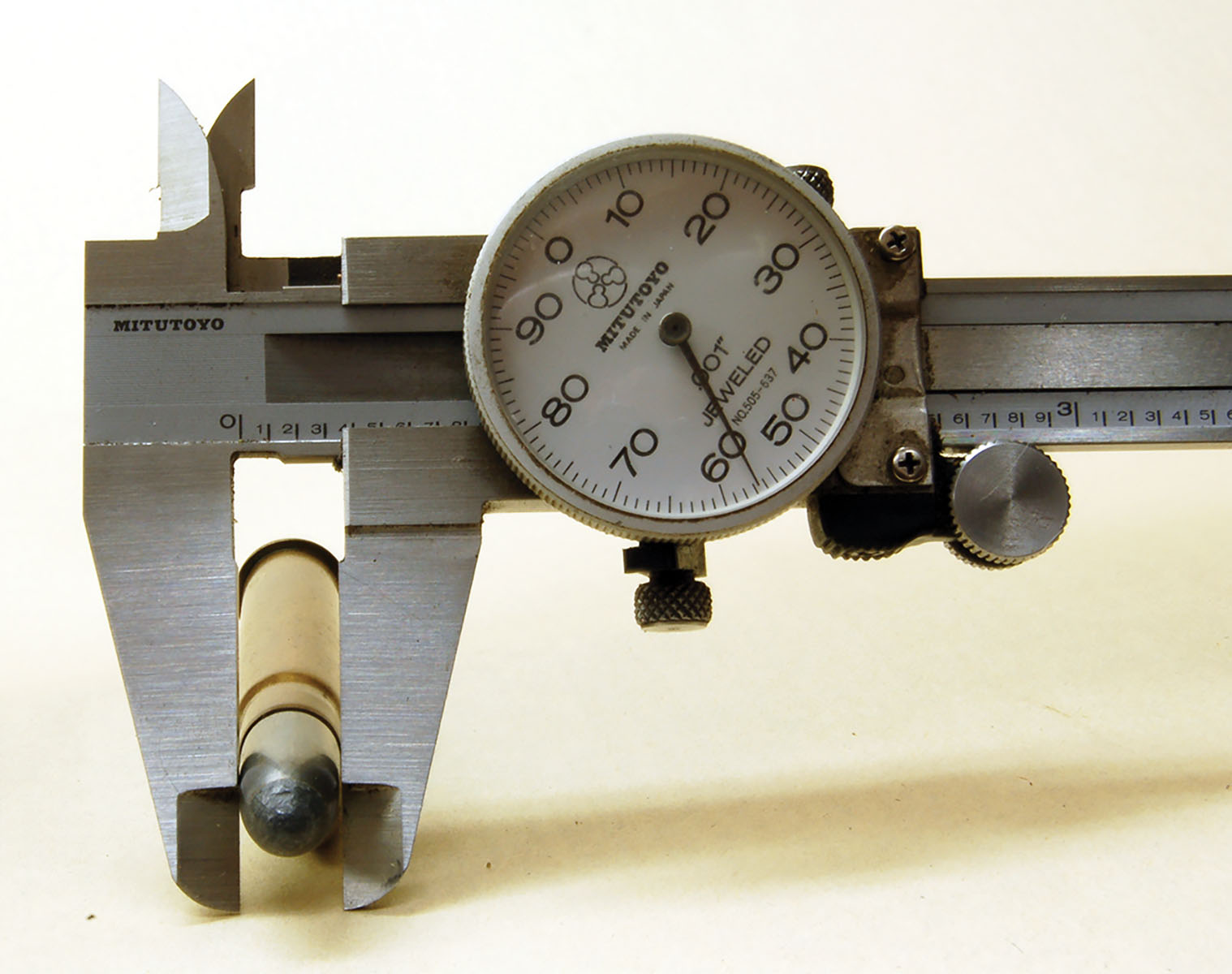
    The (1) 35 Winchester is the same cartridge length  as the (2) 38-72-275), (3) 40-72-330 and (4) 405  Winchester, but the case length is some .150-inch shorter (arrow).
    The (1) 35 Winchester is the same cartridge length as the (2) 38-72-275), (3) 40-72-330 and (4) 405 Winchester, but the case length is some .150-inch shorter (arrow).
    were black-powder rounds, of course, but there were at least seven other .38s extant at the time and seventeen .40s. This seems absurd until noting that ballistic equivalent smokeless powder loadings for both cartridges were available from day one. A hunter could have a powerful black-powder round, equivalent to smokeless or modern small-bore in a safe, new rifle. It was a win-win situation for Winchester.

    Nevertheless, WRA Co. could not understand why the U.S. Military would not adopt a fast-firing lever-gun. That was the reason for the M95’s 30-40 chambering. In 1898, the 303 British was included. Not only was it a proven military round, but it had a solid reputation on game animals around the world. No U.S. cartridge could match it.

    Still, there were no military contracts until Czarist Russia bought 294,000
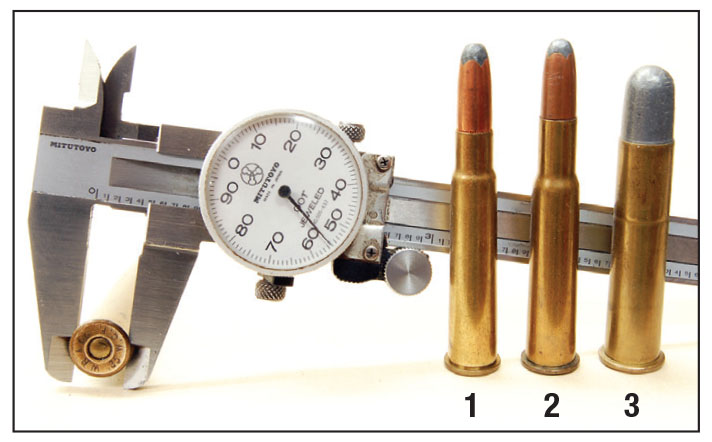
    Base dimensions of the (1) 35 Winchester were  copied from (2) 303 British and (3) 30 U.S. Army,  not the larger 45-70 as one would expect.
    Base dimensions of the (1) 35 Winchester were copied from (2) 303 British and (3) 30 U.S. Army, not the larger 45-70 as one would expect.
    M95s in 7.62x54mmR for the Russian army in 1915-1916. They weren’t enough. The Czar lost the revolution, and the Bolsheviks (Marxists, communists, social democrats) began their trail of slaughter through history.

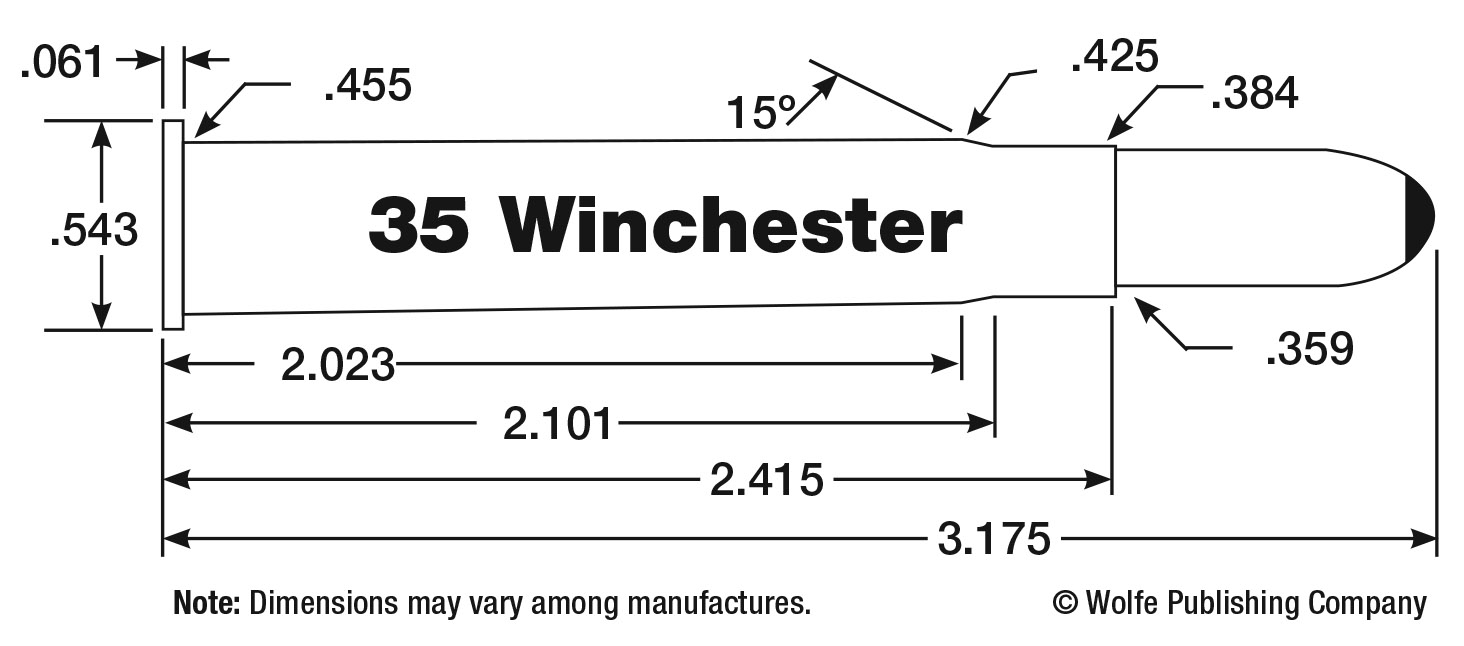
    The 35 WCF was a true .35 caliber with a  .350-inch bore and .358-inch groove and  bullet diameter.
    The 35 WCF was a true .35 caliber with a .350-inch bore and .358-inch groove and bullet diameter.
    Well before the Russian sale made the M95 profitable, Winchester’s catalog of 1903 showed a new cartridge titled 35 Winchester. It would have gone unnoticed had it not been for a life-size woodcut. Winchester now had a powerful, smokeless-powder hunting cartridge suitable for more than deer. Pushing 250-grain soft-point and full-patch bullets to 2,150 feet per second (fps), the 35 Winchester generated about 2,550 foot-
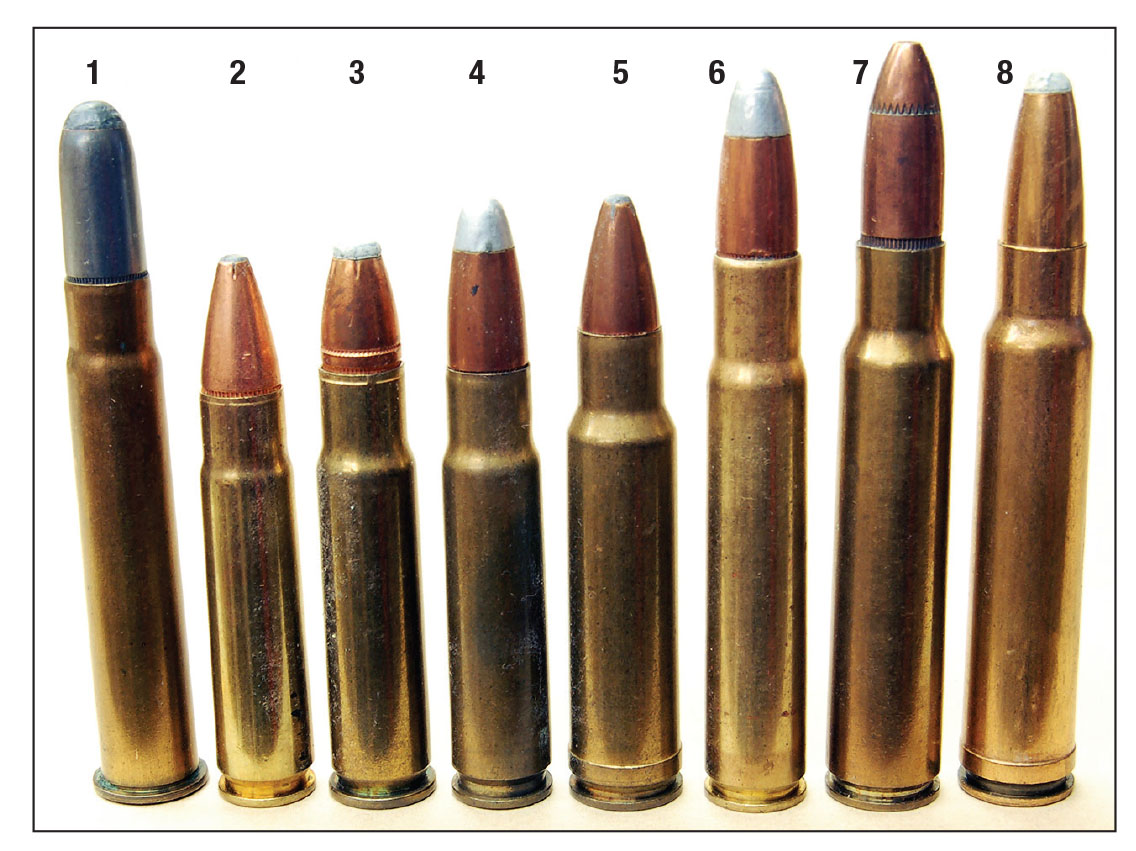
    Since the (1) 35 Winchester, rounds of that caliber have come and gone,  including the  (2) 35 Remington, (3) 356 Winchester), (4) 358 Winchester, (5) 350 Remington Magnum, (6) 35 Whelen, (7) 35 Newton and (8) 358 Norma Magnum.
    Since the (1) 35 Winchester, rounds of that caliber have come and gone, including the (2) 35 Remington, (3) 356 Winchester), (4) 358 Winchester, (5) 350 Remington Magnum, (6) 35 Whelen, (7) 35 Newton and (8) 358 Norma Magnum.
    pounds (ft-lbs) of muzzle energy. It was arguably adequate for all but a few of the largest animals at iron-sight ranges. Then the 405 WCF came along one year later, giving over 3,000 ft-lbs of muzzle energy. The M1895s success seemed assured.

    All was not perfect, however. Folks complained about the
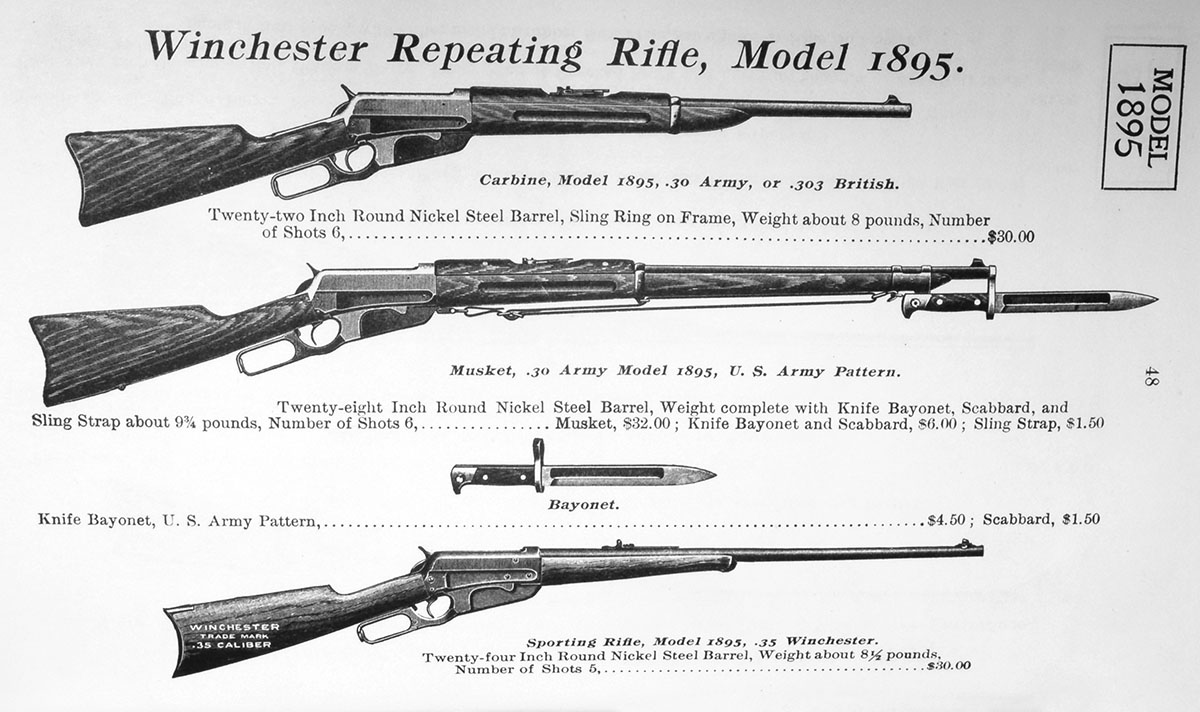
    Military forms of the M1895 were available.  The sporting rifle with a 24-inch barrel was only available in 35 Winchester.
    Military forms of the M1895 were available. The sporting rifle with a 24-inch barrel was only available in 35 Winchester.
    altered action linkage necessary to accommodate the extra-long cartridges. It was “jerky,” and some couldn’t keep their fingers off the trigger when closing the action. Thus BANG! 

    A few gripes should not take away from the 35 WCFs’ performance. By 1904, Winchester listed 100, 200 and 300-yard mid-range trajectories as 1.03, 4.73 and 12.24 inches. This allowed (given proper sighting) a dead-on hold on game animals out to at least 225 yards. Yes, faster, flatter smokeless rounds were coming, but
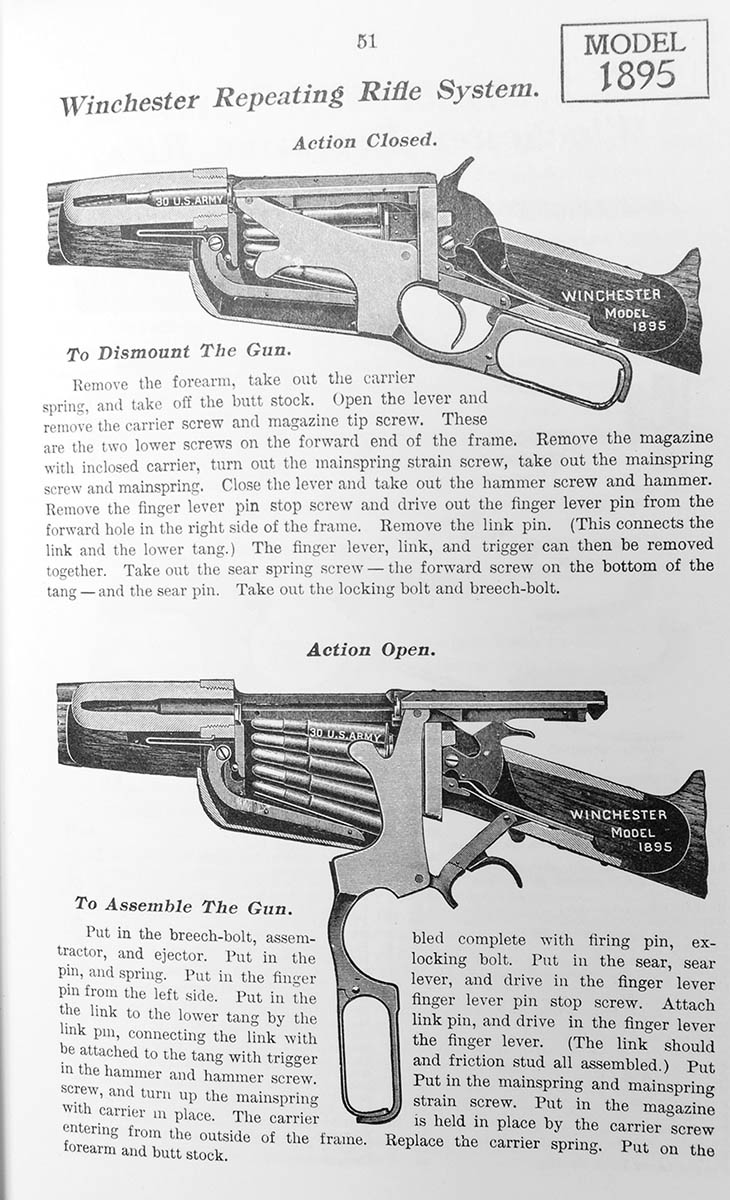
    To accommodate its long cartridges, the M1895 needed an altered mechanism, which many folks didn’t like because of trigger movement.
    To accommodate its long cartridges, the M1895 needed an altered mechanism, which many folks didn’t like because of trigger movement.
    remember, this was 1904.

    Only two other rifles were perhaps chambered in the 35 WCF. Canadian rifle designer Sir Charles Ross listed his Model E straight-pull for the 35 WCF in his 1911 catalog. Very few (if any) were produced. Remington listed its Remington-Lee “military bolt-action magazine rifle” for at least fifteen sporting cartridges, including the 405 Winchester, so the 35 WCF would be logical as well.

    Another interesting fact concerns recoil. The M95 Sporting Rifle weighed about 8.5 pounds and was chambered in 30-06 beginning in 1908. The 1920 Winchester catalog shows the ’06 M95 producing 11.4 ft-lbs of free recoil. It was 19.8 ft-lbs for the 35 WCF and 28.2 ft. lbs. for the 405 WCF. The figure for the 35 WCF was about 74 percent greater than the ’06!

    Then there were the “ exploding” M95s. Shortly following World War I, Winchester began getting reports of M95s blowing up when chambered in 30-06. Word of this got around before it was proven to be caused by firing German 7.92x57mm military ammunition in the 30-06 chamber. The shorter cartridge would fit, fire and generate a recorded pressure of over 75,000 pounds per square inch (psi), splitting barrels and destroying actions. Winchester destroyed several actions in tests. Though this should have had no effect on 35 WCF sales, it no doubt did for the M95 rifle from potential buyers who did not hear the whole story.

    Sales of M95 rifles dropped to only a couple of hundred a year after 1932. It was deleted from the 1939 catalog. Ammunition for the 35 WCF lasted longer, but still with only one loading: 250-grain soft point or full metal jacket at 2,150 to 2,200 fps muzzle speed.

    Remington and Peters loaded it until 1949. Winchester dropped the full-jacket bullet at about the same time. Western dropped ammunition in 1950. Winchester cartridges were gone in 1952. Even Kynoch loaded 35 WCF, though it is hard to imagine why unless there was a large demand after U.S. firms ceased production. Kynoch catalogs listed it from 1926 to 1970.

    Today, owners of Ml895s in 35 WCF who want to shoot them will have to handload. Bullets of .358-inch diameter are everywhere. Powder is becoming more available, and primers are, well, another story. Cases are the real problem. The 35 WCF has a 30-40 Krag-dimensioned base, but 30-40 cases are .110 inch too short, and there is nothing longer.

    There is one possible solution. Winchester had some reproduction M95s made beginning in 1999. One chambering offered was 405 WCF. Hornady made ammunition and even listed unfired brass. An internet search may turn up fired cases that can easily be formed into 35 WCFs. I imagine, however, that 405 owners have sucked up the whole supply and are clinging to it pretty tightly.

    Not being a target or varmint cartridge, deer or military round, it’s hard to gauge the 35 WCF’s popularity. I could find no verifiable first-hand observations. Most were second-hand or comments that the 35 WCF would (or should) be suitable for this or that. On the other hand, there were no negative comments either.

    While not everyone liked the M95 action, there was one indisputable fact. In 1936, just before the M95 was dropped, Winchester announced the Model 71 in 348 Winchester. Here was a completely revised and much smoother operating rendition of the famous Model 1886. Its new cartridge delivered a 250-grain bullet with over ten percent more energy than the 35 Winchester. There was no way the company was going to abandon the idea of a powerful, smokeless powder, 200-yard iron-sighted leveraction hunting rifle. 

    No way.


    Wolfe Publishing Group