

Cartridge Board
6.5 Creedmoor
column By: Gil Sengel | April, 26
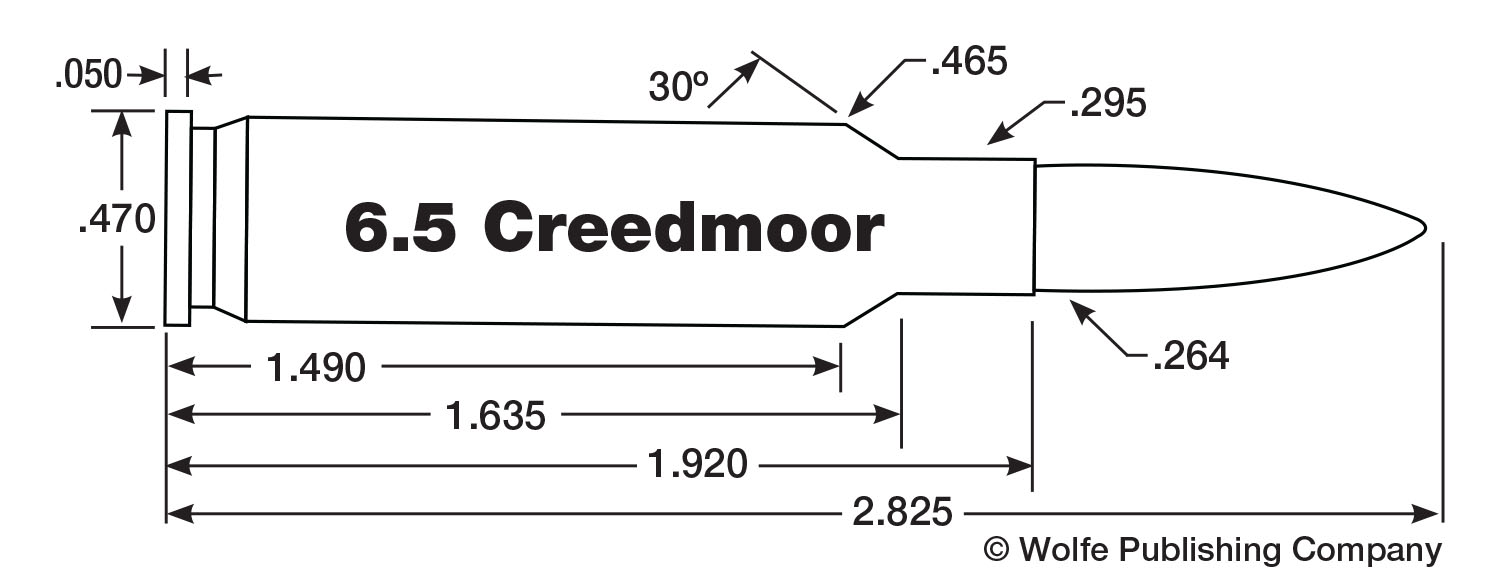
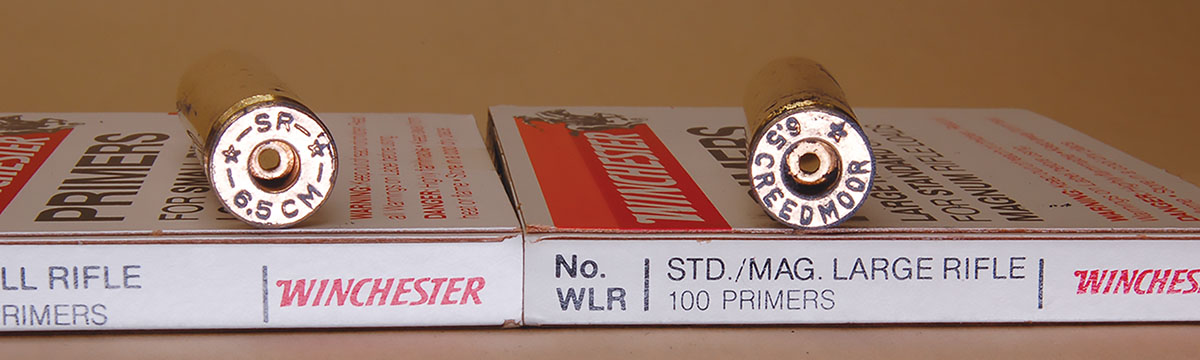
Everyone has heard of this hot, relatively new 6.5mm cartridge. It has gained popularity faster than any other round, excepting those adopted by the U.S. military. Most every rifle made or imported chambers it.
The chronicles tell us the concept of a cartridge to replace the 7.62x51mm (308 Winchester) for target applications was first discussed at the 2007 Camp Perry matches. Hornady ballistician/engineer Dave Emary was one of those involved. It doesn’t seem like much new ground was plowed, except for wanting a caliber smaller than thirty. The rest – lighter recoil, flatter trajectory and better accuracy – have been wanted ever since the first paper target was printed. The first Hornady 6.5 Creedmoor factory ammunition came out in June 2008.
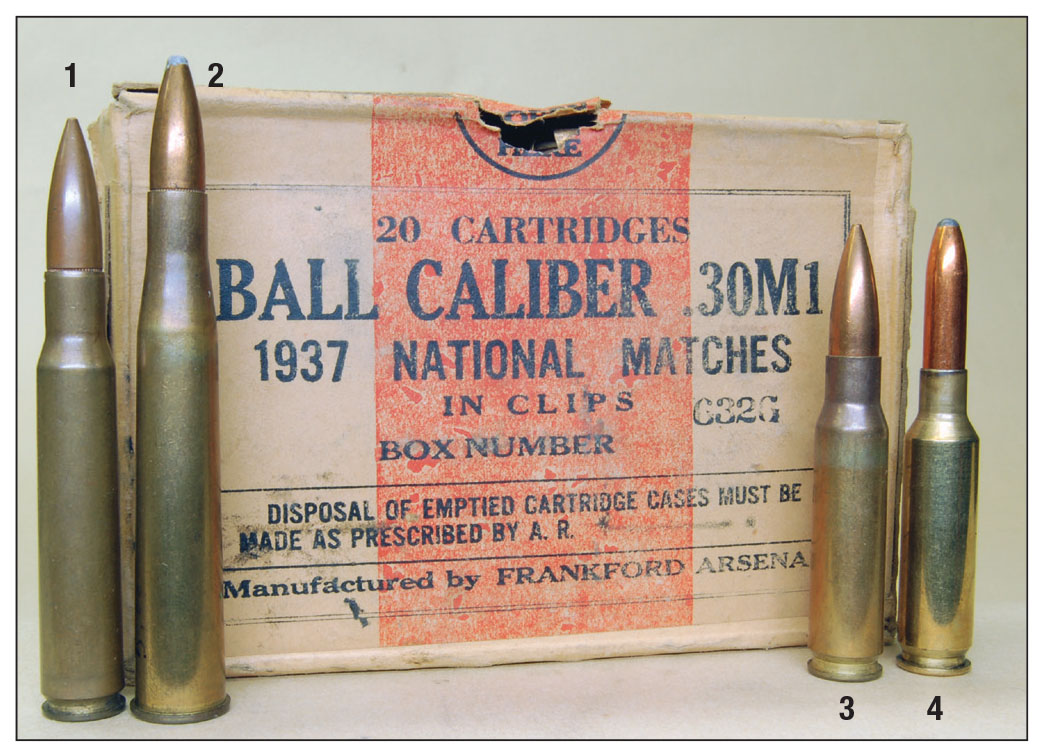
As soon as wildcatters got hold of the 308 case, they necked it to all calibers, including metric. Such a frenzy had not been seen before. With surplus Mauser M98 actions selling for $17 to $25, many serious riflefolk who had only read about wildcats and custom rifles found themselves owning one or two.
Both the 308 and 7mm-308 became popular with metallic silhouette shooters. Meanwhile, Winchester had released the 6mm-308 (243 Winchester) and 35-308 (358 Winchester) in 1955. The 1955 Winchester catalog shows the great M88 lever action chambered for 243, 308 and 358; indeed, the rifle was designed for them. Unfortunately, Winchester then ceased the introduction of new cartridges on the 308 case.
The most hunted big game animals in the U.S. are deer. Winchester and gun writers sold the 243 as a deer and varmint round. It took a while, but those who killed a few deer with it found it was a good varmint round. The 308 worked far better but kicked like a ’06. Something in between was needed.
The difference between the .308 bullet diameter and the 243 bullet diameter is .065 inch. That’s a lot. About in the center is .277 inch, that of the .270 Winchester. The company was not about to make competition for its full-length 270. The 7mm-308 was too close to the .308, making the 6.5-308 next in line. Given the popularity of various 6.5mm rounds in Europe, Africa and India since at least 1890, it should have been introduced as the 6.5mm-308 or 6.5mm Winchester, but nothing was done. A great chance was missed, and the M88 disappeared long before its time.
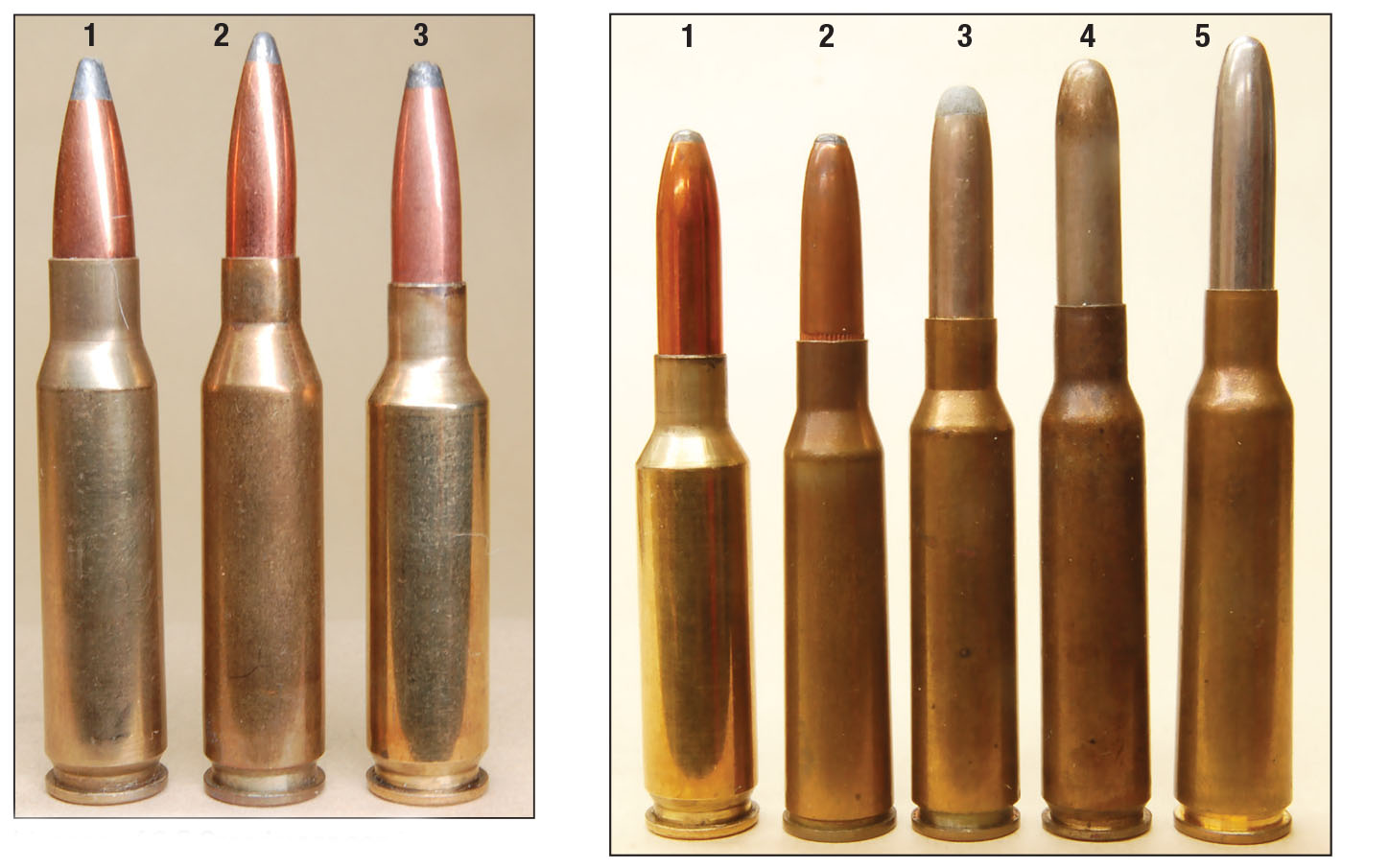
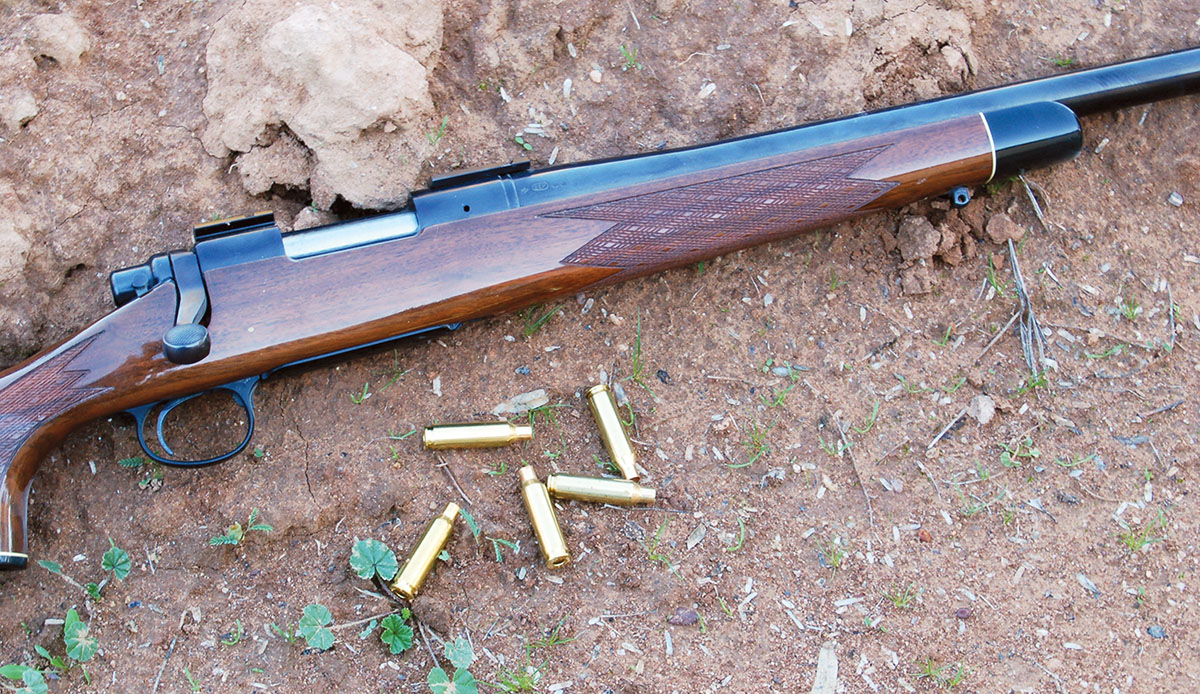
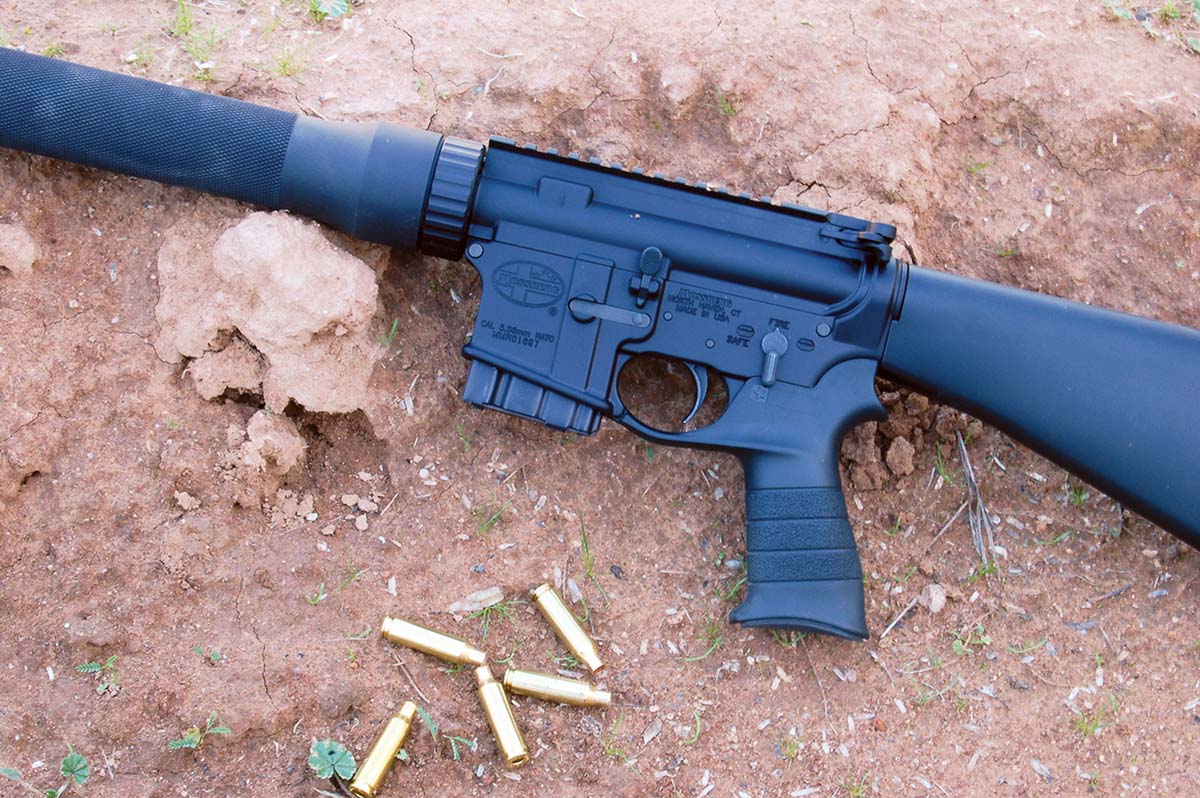
MAP for the 260 Remington is 60,000 psi.
In the 1960s, a benchrest group in Pennsylvania was shooting at 1,000 yards. Cartridges were wildcats such as the 6.5-300 Weatherby, Wright and Hoyer. Five-shot groups using Sierra and Norma match bullets could be covered with the palm of a hand.
Bullets today are better than ever. Thanks to chronographs that measure velocity along the bullet’s path, variations in ogive and base shape can be tried to see which moves through the air best. Thus, Hornady and a couple of others now produce the most accurate target bullets ever made. They precisely fit the Creedmoor’s chamber throat, which has about 0.2 inch of freebore and another 0.2 inch of 1.5-degree tapering leade.
Accuracy (100-yard grouping) is another matter. Custom target rifles group near 0.5 inch with factory target loads. Hunting rifles, however, perform no differently than the same modern rifles in 243, 7mm-08 or 308, grouping from about 0.85 to 1.3 inches with factory or handloads.
A few words should also be said about long-range (400 yards plus), big-game shooting brought on by the 6.5 Creedmoor and a few others firing high ballistic coefficient, low drag, supposed hunting bullets. Devices such as laser rangefinders and light and wind meters, etc., seem to make a miss impossible. Yet they happen on rifle ranges many times a day. So, it doesn’t matter if it’s the last ten minutes of the last day of the season and the only living things seen in the woods during a week of hunting were Mexican wolves, spotted owls and illegal aliens. Chances of dropping an animal where it can be found immediately are slim. It seems unethical.
I’m sorry if this report is not as positive as all others. Seventeen years of use have shown the 6.5 Creedmoor to be an excellent long-range target cartridge firing special bullets in carefully made rifles. In normal hunting rifles, it’s quite ordinary, producing a little more energy than the 243 Winchester. Perhaps that makes it better.
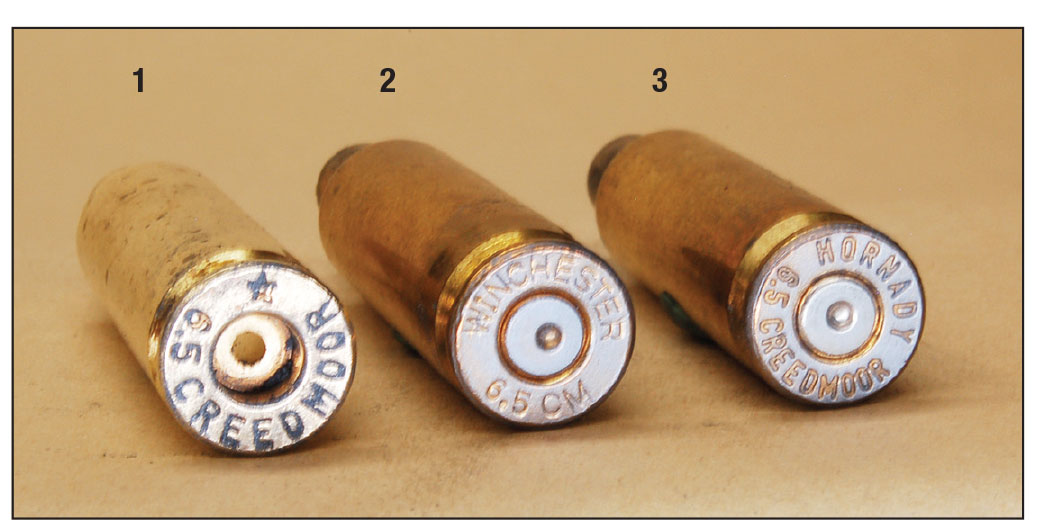
There is one aspect where the little 6.5mm stands above everything else. It has forced gunwriters and copy editors to learn how to spell the word “Creedmoor.”
.jpg)