

Wildcat Cartridges
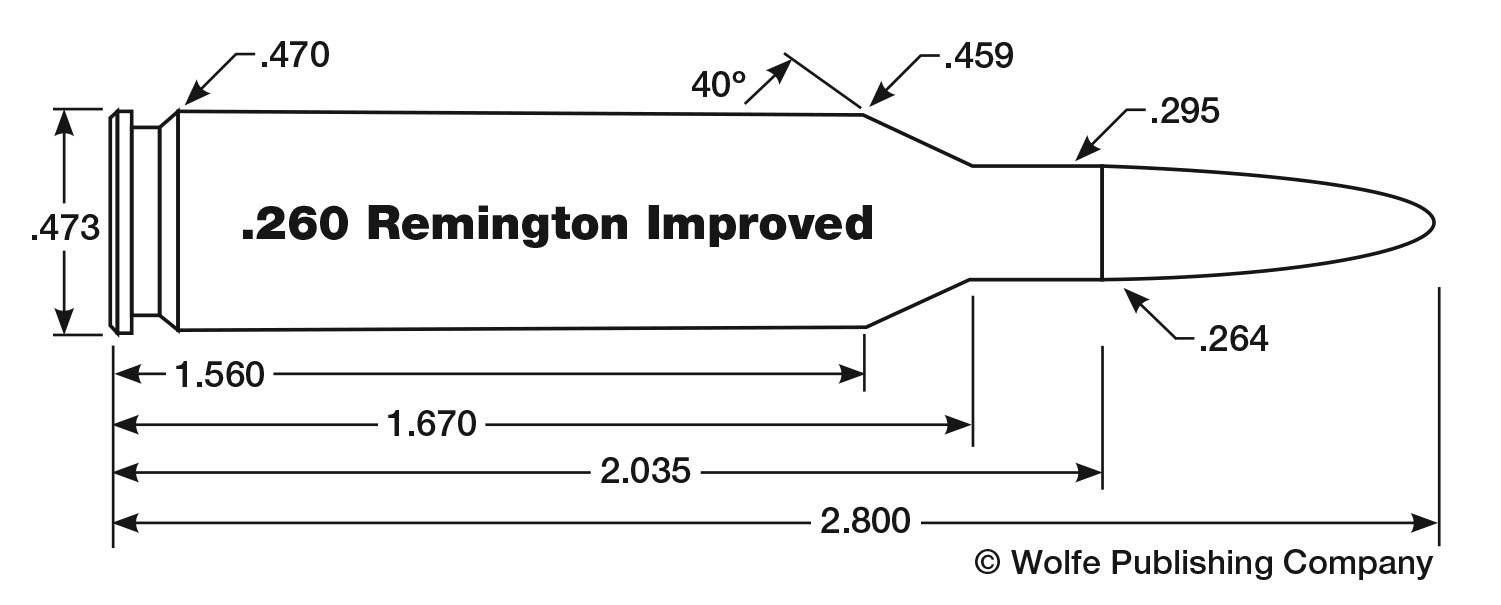
260 Remington Improved
column By: Layne Simpson | April, 26
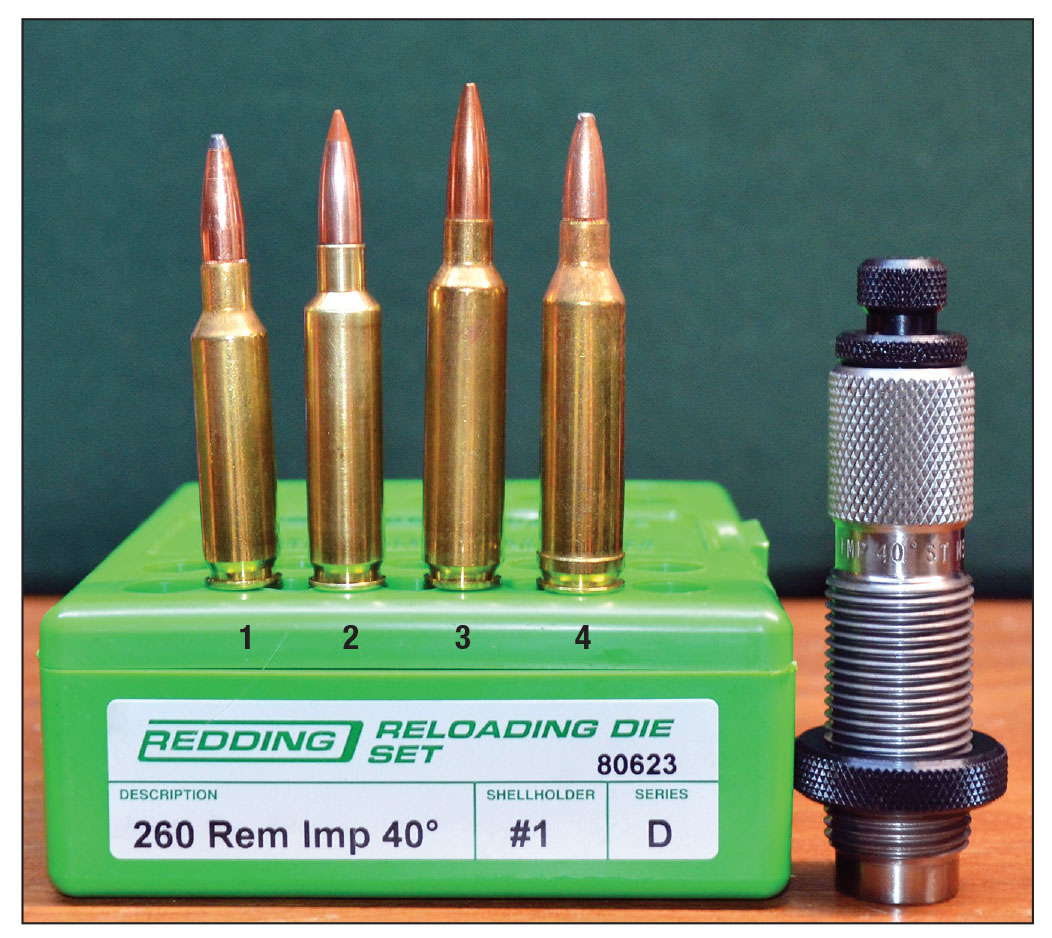
American marksmen began crossing the border with their Remington Model 700 rifles in 308 Winchester, and as word spread on how much fun they were enjoying, informal matches were held near Nogales and other Arizona towns. Due to urging from a group of marksmen led by Roy F. Dunlap, who was a champion long-distance rifle competitor and author of the book Gunsmithing, the first metallic silhouette range was built at the Tucson Rifle Club in 1968. All shooting was from the offhand position with no sling or rest allowed. In the beginning, the 308 Winchester reigned, but in a search for a cartridge equally capable of toppling heavy steel rams at 500 meters, competitors began necking down that case for 6.5 caliber match-grade bullets. Before long, the 6.5-308 became the most popular cartridge used by metallic silhouette competitors. It also won its share of gold in the NRA High Power Rifle Across the Course competition.
Through the decades, Remington domesticated more wildcat cartridges than any other company, and the 6.5-308 became legit when the company registered it with SAAMI (Sporting Arms and Ammunition Manufactuers’ Institute) in 1997 and introduced it to the hunting world as the 260 Remington. Promoted as an extremely accurate, easy-on-the-shoulder big game cartridge, it was initially loaded with a 140-grain Core-Lokt pointed bullet at 2,750 feet per second (fps) and offered in the Model 700 rifle with a 22-inch barrel and the Model Seven carbine with an 18.5-inch barrel.
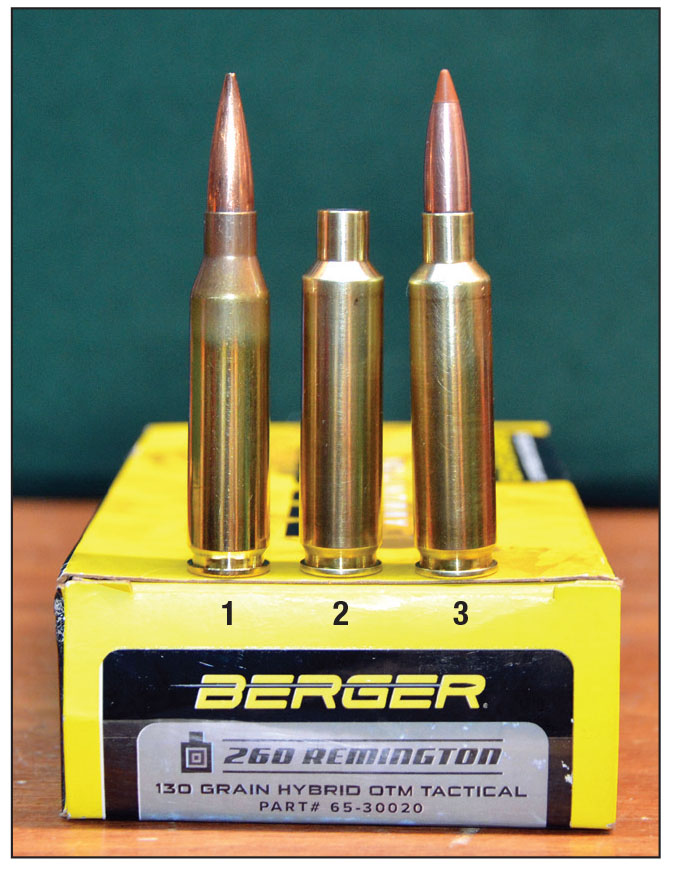
As I have mentioned before in this column, the amount of velocity gained by an improved cartridge is greatly dependent on the shape of the parent cartridge. Velocity gained by blowing out the 300 Holland & Holland case with its considerable body taper to Ackley’s improved version will be greater than when doing the same to the 300 Winchester Magnum case simply because, due to less taper in the body of its case, capacity gain is considerably less.
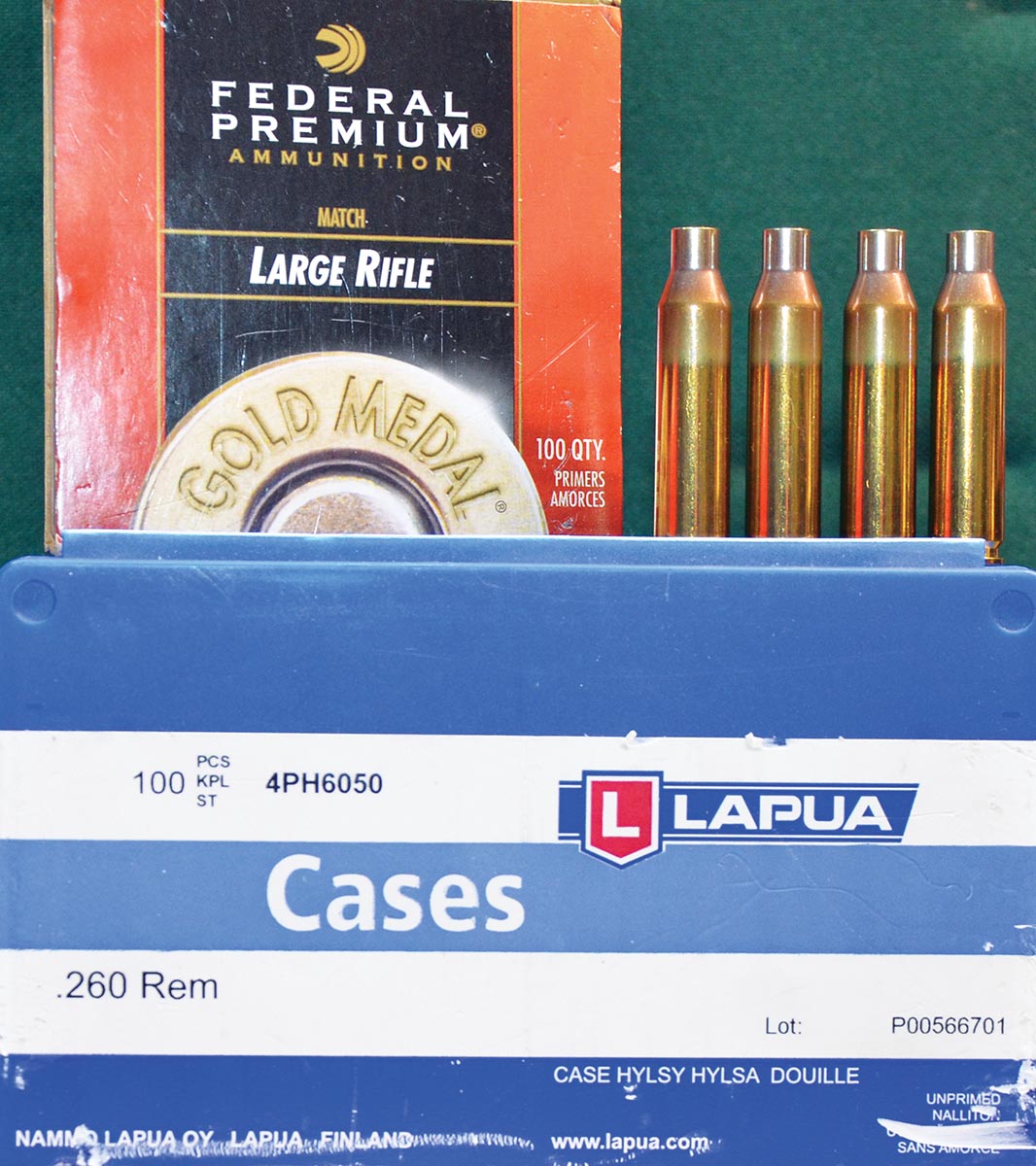
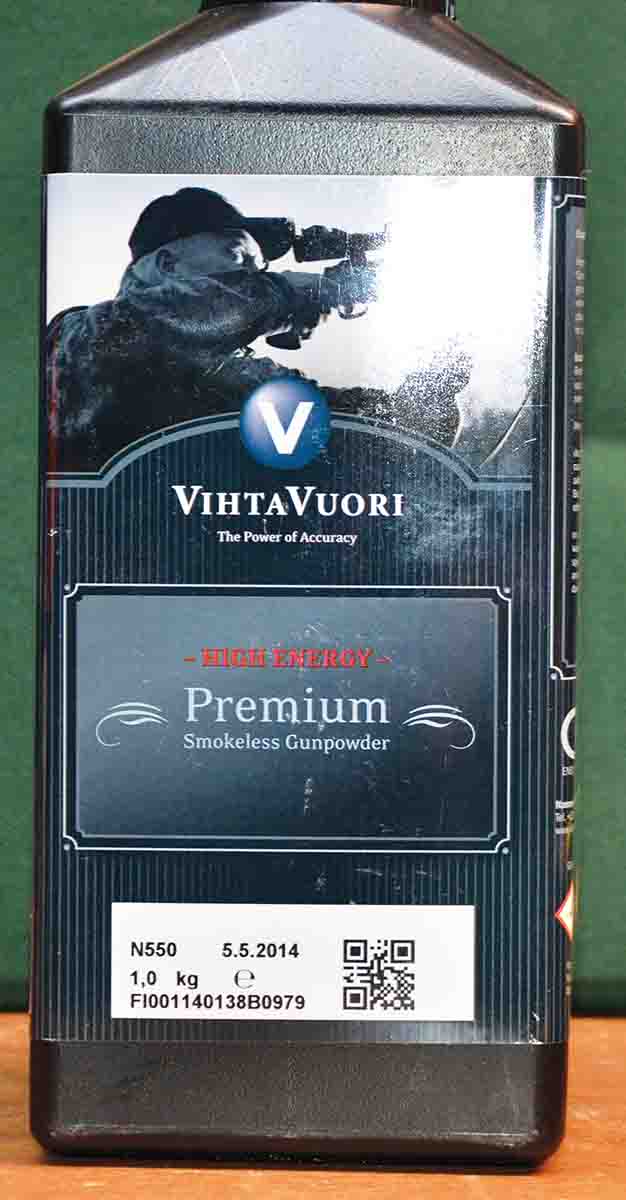
After fire forming Lapua 260 Remington cases in the chamber of my rifle, I found their average gross water capacity to be 54.8 grains. In comparison, Lapua 6.5 Creedmoor cases averaged 51.4 grains. Powders that are suitable for use in the 260 Remington work equally well in its improved offspring, and it will handle slightly heavier charges at the same chamber pressures for an increase in velocity. For the highest velocities possible, slow to medium-slow propellants such as Vihtavuori N550, W-760, H-4831sc and Superformance rank among the best choices. Due to the relatively small powder charges burned, a standard-force primer such as the Federal 210 usually does a good job of lighting the fire. I have not shot anything but paper with a rifle in 260 Improved, but many years ago, I hunted a great deal with a Remington Model Seven in 260 Remington, and the Nosler 100-grain Partition proved to be extremely effective on deer. When shooting black bears over bait, I switched to the Swift 120-grain A-Frame, and it was quite deadly as well.
The rifle used to develop loads for the 260 Remington Improved has been with me for many years. I needed an extremely accurate rifle for testing various centerfire cartridges, and a switch-barrel rig built by Kenny Jarrett proved to be the perfect answer. A small barrel vise and an action wrench for the Remington 700 action from Brownells enable me to quickly switch barrels at home and at the range. In addition to a collection of heavy, match-grade barrels made by Jarrett, Shilen, Hart, Krieger and Bartlein, it has interchangeable bolts with faces that handle the 222 Remington and 308 Winchester families as well as the belted and non-belted magnums. The stock was made by Kelley McMillan.
.jpg)