

From the Hip
Uberti 1875 Outlaw
column By: Brian Pearce | June, 26
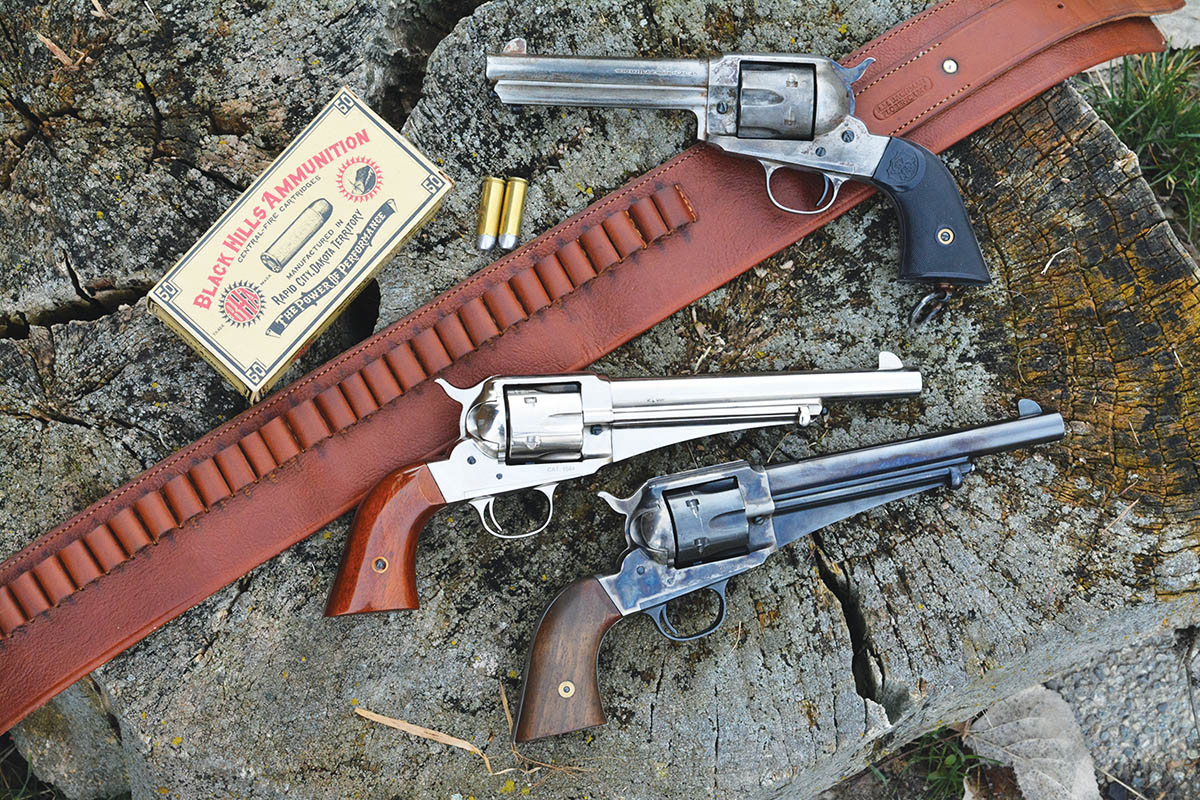
For more than half a century, Aldo Uberti has been offering a reproduction of the historic Remington Model 1875 Single Action Revolver (aka 1875 Army, Improved Army and Frontier Army). In addition to being a close copy manufactured with modern steels, this sixgun is handsome, shoots well and is a bargain considering its overall quality and cost.
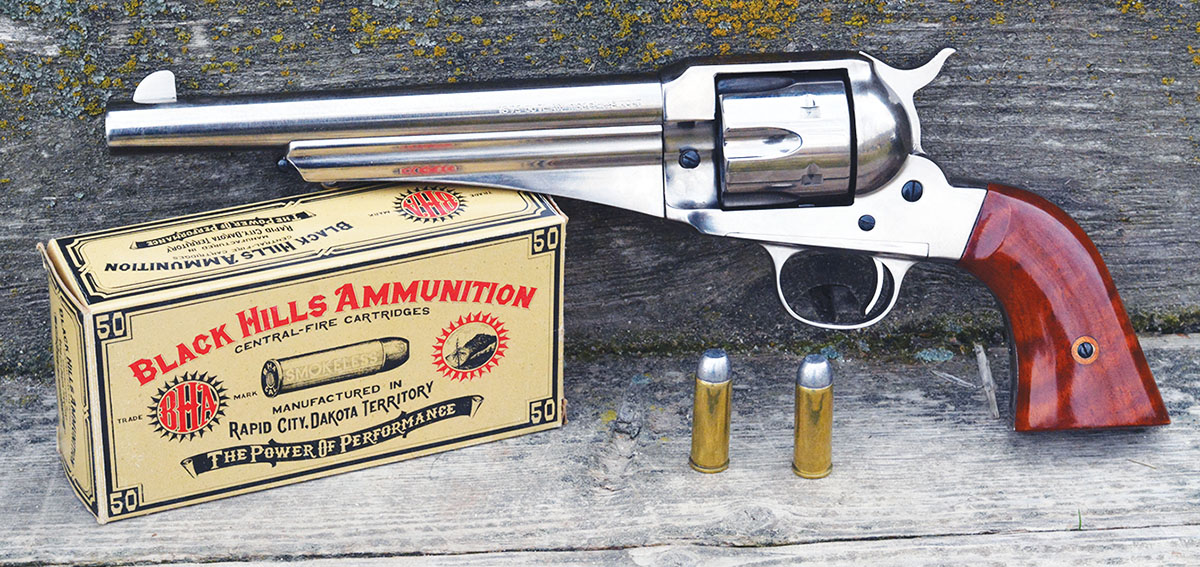
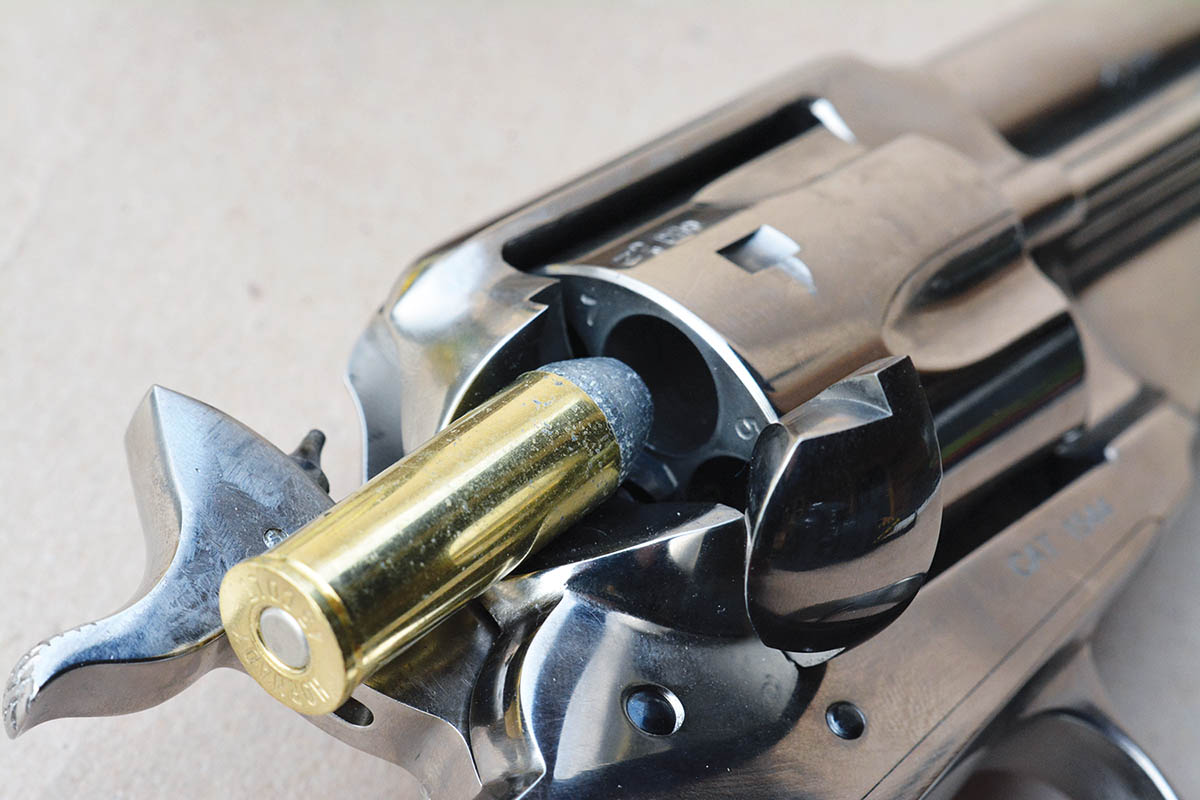
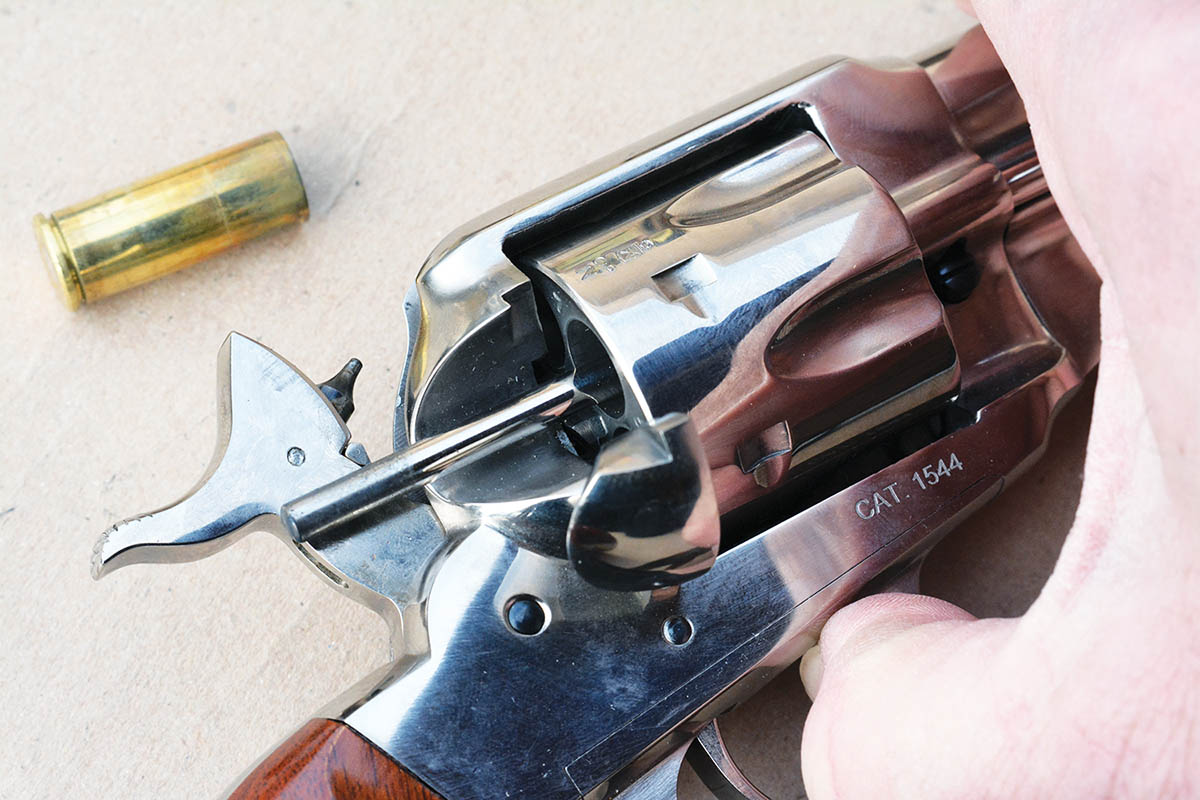
During the early 1970s, Aldo Uberti began offering a reproduction of the Remington Model 1875 that was initially offered in 357 Magnum, 44-40 Winchester and 45 Colt, and has been popular enough to remain in continuous production. If memory serves me correctly, I purchased my first one in 1976, a 44-40, while my brother purchased one in 357 Magnum.
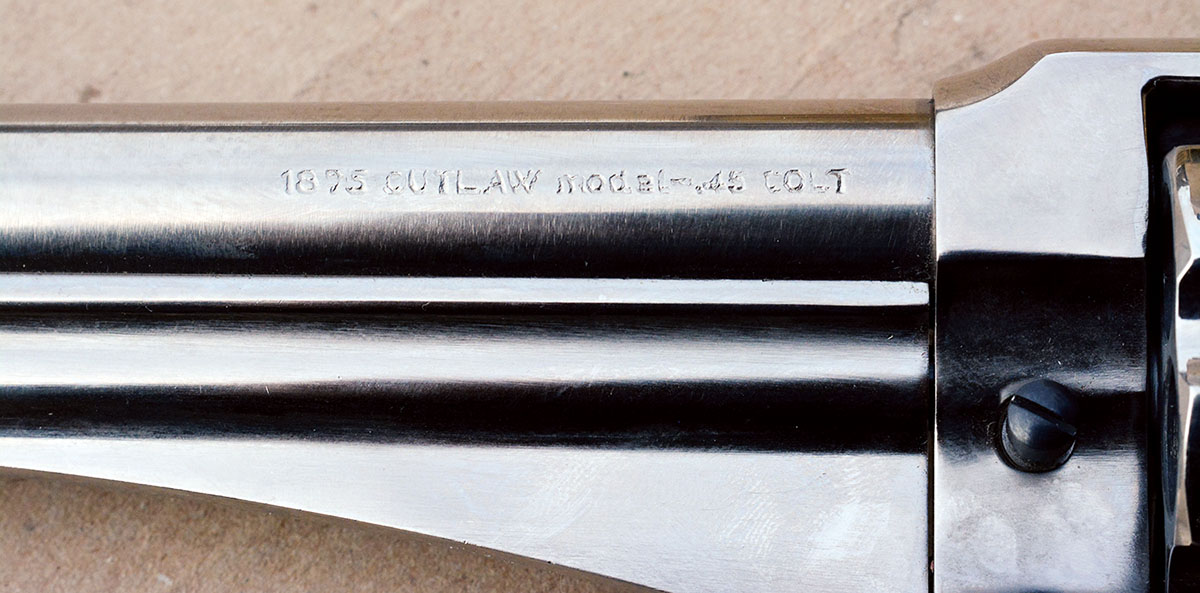
Both shot very well. Over the years I have owned and fired many others, but for today’s purposes a Stoeger imported “1875 Outlaw Model” chambered in 45 Colt with nickel finish was selected. It features the standard 71⁄2-inch barrel, but is also available with a 51⁄2-inch barrel. The Model 1890 is also offered.
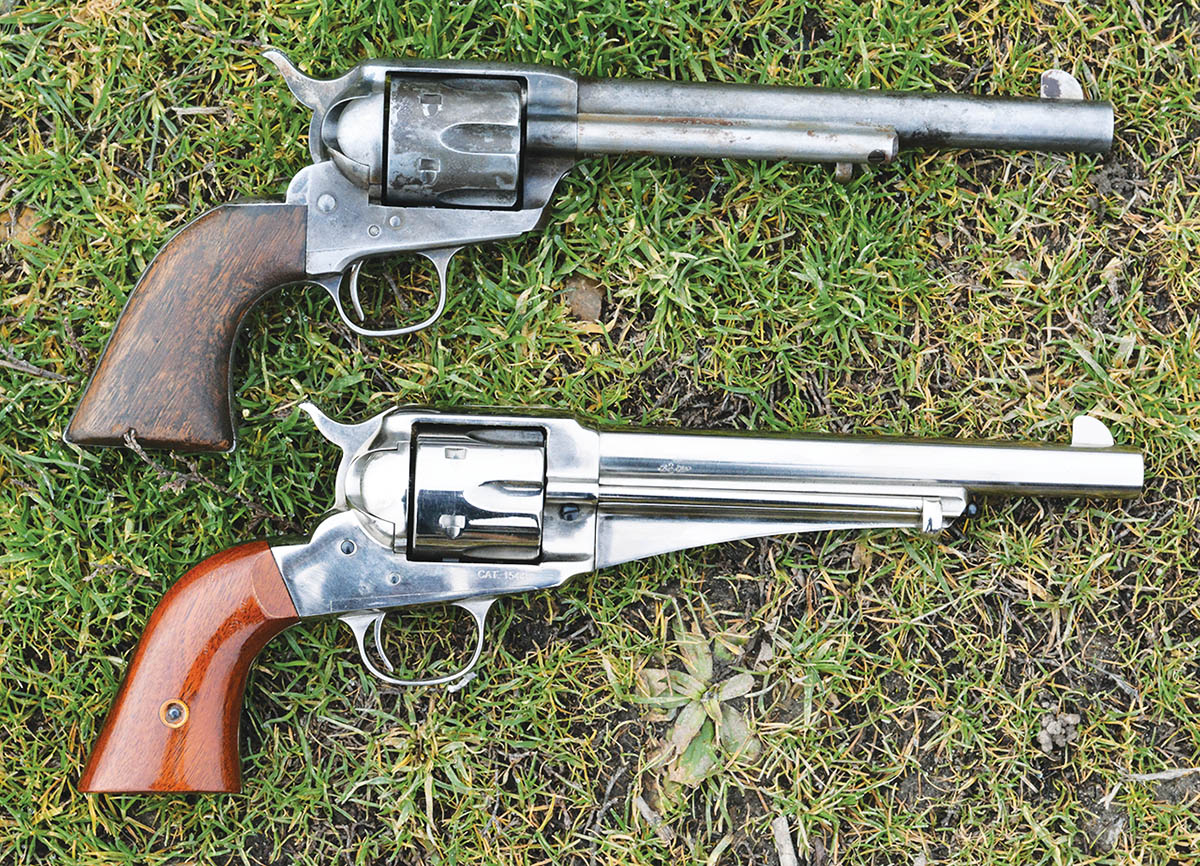
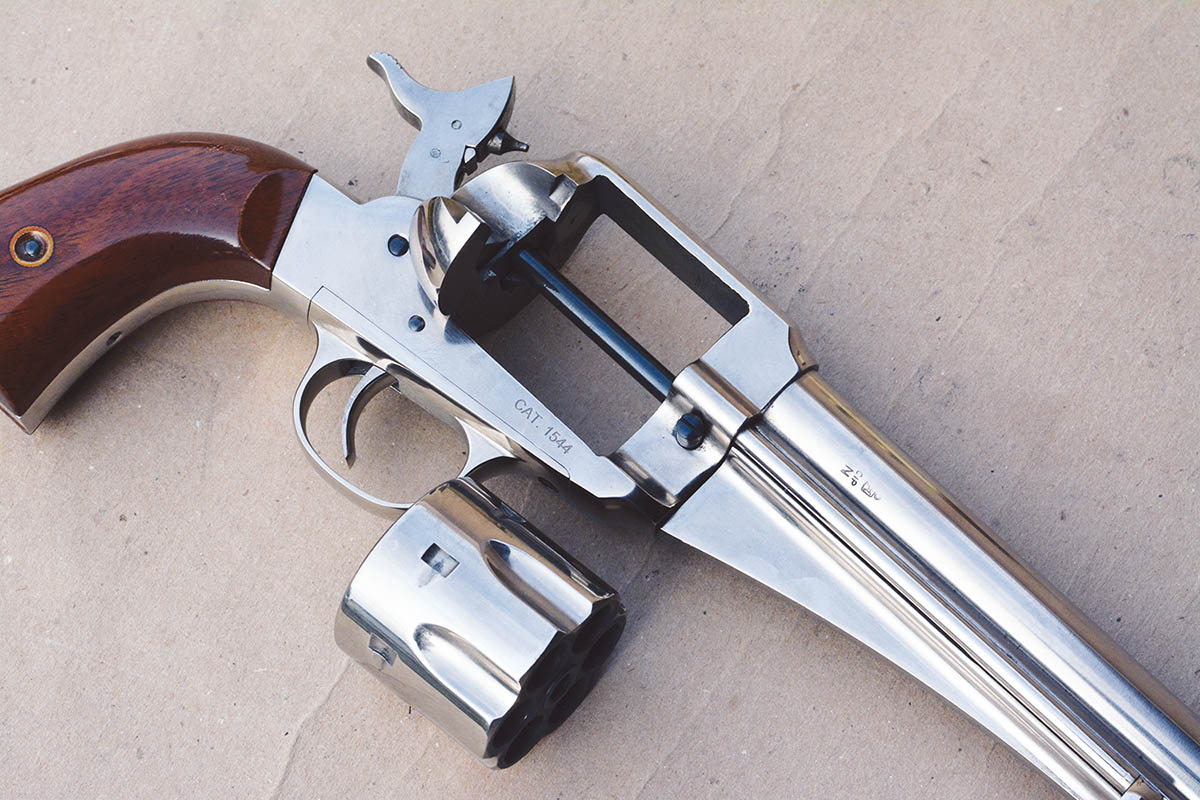
There are a couple of things that I would like to see Uberti address, including the hammer safety block that engages when the hammer is placed in the first notch position. Due to the design, the size of the hammer cam is reduced, which can cause premature wear to the bolt. This feature was developed so that the gun could pass the government-required drop test for imported revolvers (effective with the Gun Control Act of 1968). There have been many safeties devised in conjunction with single-action sixguns by importers and manufacturers over the years, and I’m certain that Uberti could simply install a Swiss Safety-style base pin to avoid the modifications to the hammer and still pass the drop test. The second item is that there is no recoil plate (located inside the frame and encompassing the firing pin hole) that is typically constructed of hardened heat-treated steel and is easily replaceable if it becomes worn. Also, a replaceable cylinder bushing (to easily correct end-shake) would be a notable improvement.
The cylinder is shorter than the Colt SAA and will only accept cartridges with a maximum overall length of 1.615 inches; however, in the event that bullets walk or move slightly during recoil, the gun can seize up. For these reasons, all hand-loaded cartridges should be within 1.600 inches, which is the SAAMI maximum overall length specification for the 45 Colt. With that said, it might be interesting to know that Hornady’s 225-grain FTX factory load measures 1.650 inches overall and will not fit in the Model 1875.
Three factory loads were tried from Black Hills Ammunition, Remington and Hornady. The Black Hills Cowboy 250-grain RNFP load at 720 feet per second (fps) managed to group into just over 2 inches at 20 yards. The Remington load has been changed over the last few years to push a 250-grain lead hollow-base bullet with conical profile and flat point at a listed 750 fps and clocked 744 fps, but for the past 125 years has been listed at 860 to 870 fps. This reduced load is due to the many old guns still in use that are from the black powder era. Regardless, that load is grouped into 1.85 inches. The Hornady Cowboy load pushed a 255-grain lead bullet to 733 fps and grouped into 2.30 inches. All loads grouped center, or very close to center, and were approximately 11⁄2 to 2 inches low. If desired, the front sight can be lowered to bring the point of impact to center.
Moving on to handloads, all loads were assembled in new Starline cases that were previously sized using Redding’s Dual Ring carbide sizing die, then neck expanded (with the expander ball measuring .449 inch) and primed with CCI 300 Large Pistol primers. The roll crimp was applied using RCBS seat/crimp die.
The Rim Rock 250-grain Cowboy bullet was pushed to 736 fps using 5.2 grains of Hodgdon Titegroup powder and grouped into 2.10 inches. Changing to 7.2 grains of Accurate No. 2 powder, velocity jumped to 882 fps, and groups dropped to 1.90 inches. The tightest group came from my hand-cast bullets from
Lyman mould number 454190 that weighed 260 grains. When loaded with 6.5 grains of Alliant Red Dot powder for 885 fps, the best group measured 1.65 inches. Another notable load consisted of 265-grain bul-lets cast from RCBS mould number 45-250-FN. Normally, I crimp this bullet below the driving band, but due to the 1875’s short cylinder, it was crimped on the upper edge of that band and pushed to 944 fps using 9.3 grains of Hodgdon CFE Pistol. That load cut an almost perfectly round group that measured 1.70 inches.
To date, around 700 rounds have been fired through this sixgun. Function has been flawless. If you enjoy handsome and historical sixguns that are accurate and fun to shoot, the Uberti Outlaw Model 1875 is worth consideration.
.jpg)
.jpg)
.jpg)