

256 Winchester Magnum
Never a Dull Moment
feature By: Terry Wieland | August, 26
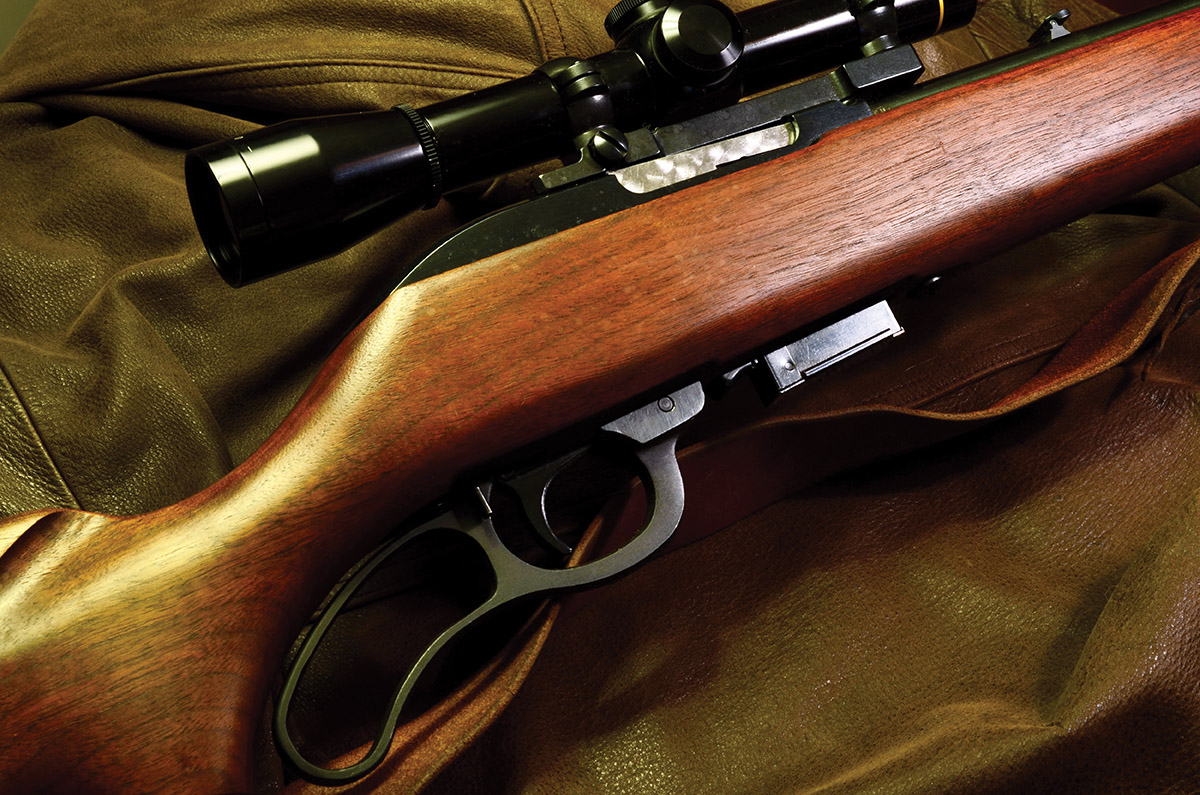
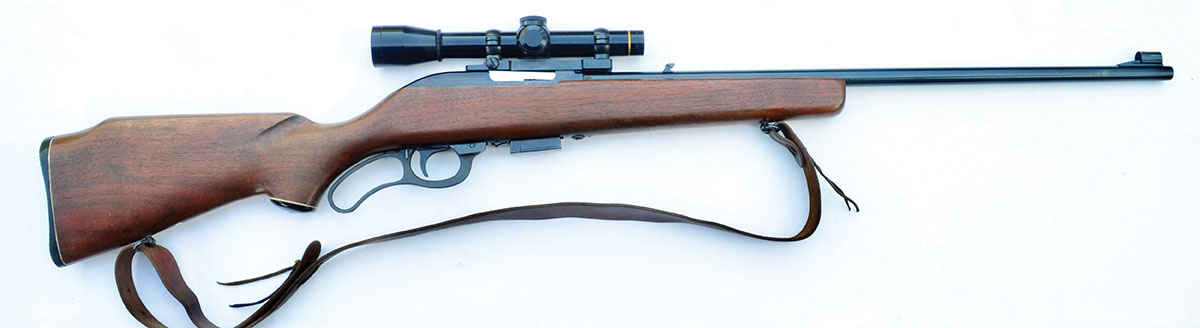
In the long and inglorious history of misusing the term “magnum,” few examples can match the 256 Winchester Magnum (Win Mag).
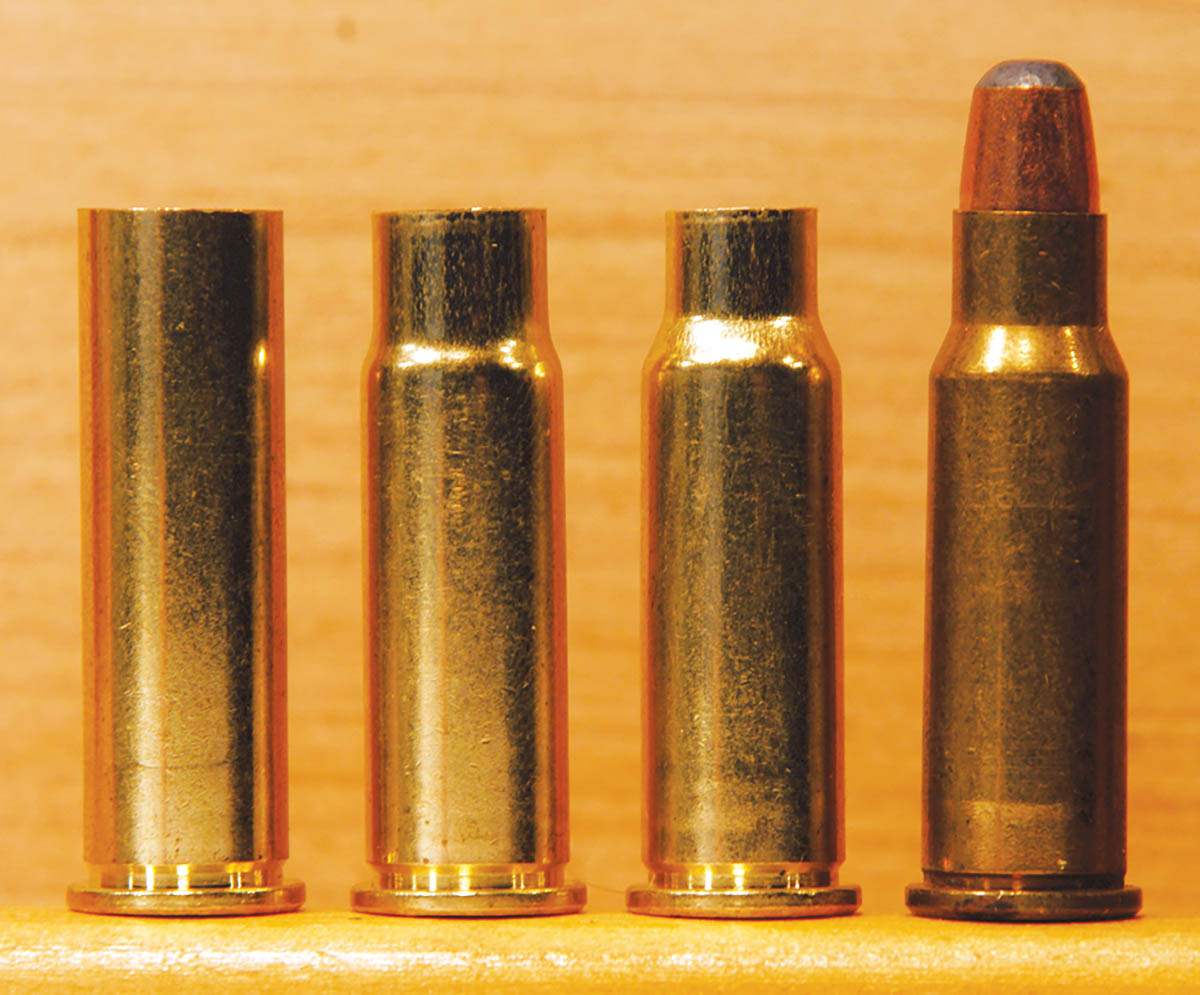
In fact, in several ways other than its misleading name, the 256 Win Mag is an excellent example of how not to design and launch a cartridge. Looking back from the vantage point of 65 years, you wonder what they were smoking.
In the 1980 Hornady loading manual, one of the few to even notice the 256, the authors commented, “It is perhaps most notable for the speed with which it flopped.”
But first, the name. For reasons never satisfactorily explained, around 1960, Winchester and Remington simultaneously hit on the idea of using the 357 Magnum case as the basis for a combination rifle-and-handgun varmint cartridge. Remington necked it down to .224 and called it the 22 Jet, while Winchester necked it to .257 and called it the Win Mag.
Astonishingly, although both companies were part of larger concerns that also made rifles, neither ever produced one for their own creation. Why? No one knows. Whatever the reason, this effectively doomed both cartridges. In 1961, within a month of each other, both cartridges were sent out into the world to prosper on their own or die.
Their respective demise, while inevitable in hindsight, was not immediate. At the time, Marlin was producing a short-throw rimfire lever action called the Levermatic and decided to chamber a centerfire version in both the .22 Jet and 256 Win Mag.
Smith & Wesson picked up the Jet and offered it in a dual-caliber (22 Jet and .22 rimfire) revolver, the Model 53. Sturm, Ruger & Company adopted the 256 Win Mag and designed a unique handgun to accommodate it. The Ruger Hawkeye was a single-shot pistol that looked like a single-action revolver, but instead of a revolving cylinder, it had a hinged-breech block.
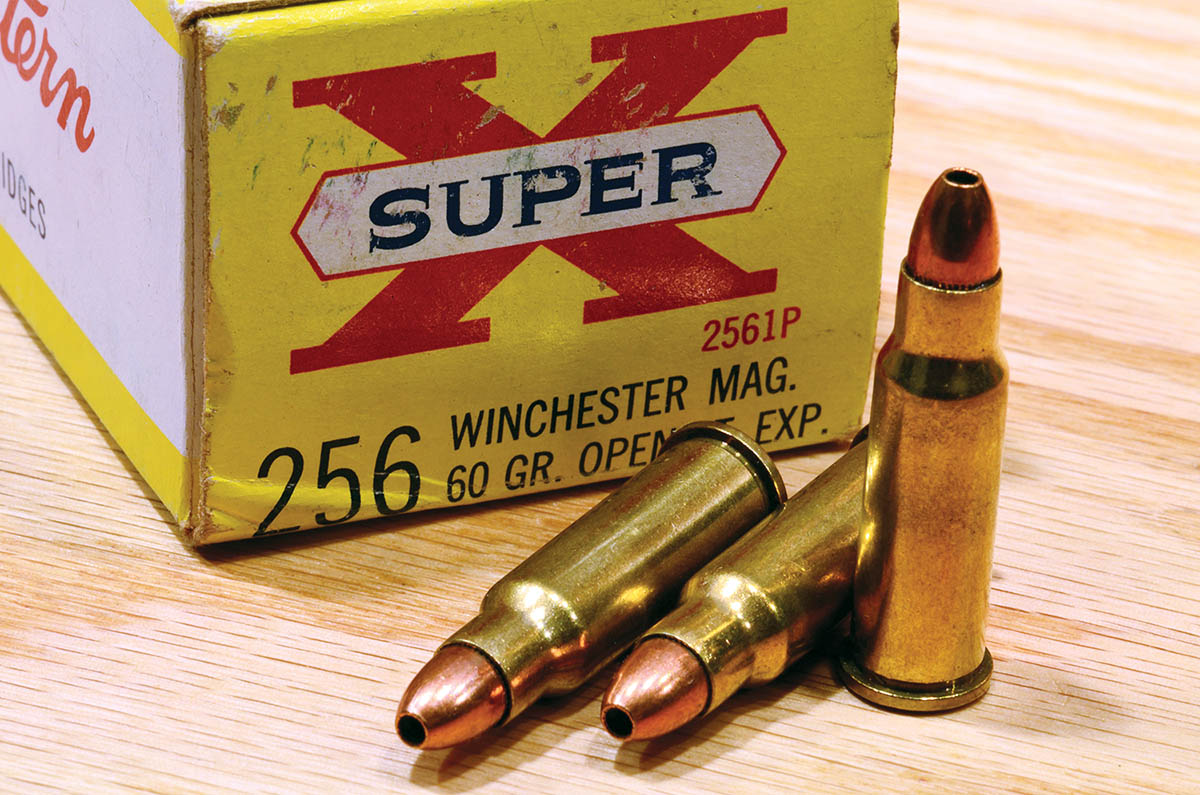
Meanwhile, the 256 Win Mag prospered, at least by comparison. It was a more conventional shape, with a sharp shoulder. Marlin built 8,000 rifles for it, Ruger produced 3,300 Hawkeyes; much later, it was offered in the Thompson/Center Contender, although apparently few were made.
At this point, I should add a personal note. For reasons only a gun-crazed teenager could explain, I fell in love early with the Model 62 and wanted one for the next 40 years. I finally obtained one in beautiful shape, persuaded Leupold to make me a period-authentic 3x scope, found an original Lawrence leather sling, hugely overpaid on eBay for two extra clips and found a set of original RCBS dies.
The first time I wrote about this, I received a half-dozen letters from other Levermatic owners. Two wanted to sell me theirs, since they didn’t handload, and ammunition was unobtainable. They were asking only “fair collector” prices. A third, from Idaho, rather stiffly informed me that, contrary to what I’d written, he had been using his since the 1960s to hunt antelope and deer and never had a problem. The remaining letters simply gushed about what a neat little rifle it was, and isn’t handloading fun?
Fun, yes, but also at times frustrating, challenging and annoying, and the 256 Win Mag is all three.
Historically, factory ammunition was available only from Winchester, and only with a 60-grain bullet. This was rated at 2,800 feet per second (fps). Having corralled some original ammunition, it chronographed 2,818 fps from my Levermatic and 2,211 fps from a Hawkeye.
Those are the bald facts from inside the cartridge launch. Now, for a broad view of the market in 1962. First, it was velocity mad, and 2,800 fps didn’t cut it. Second, lever-action rifles were perceived as inadequately accurate for pinpoint woodchuck shooting, which was the current rage, and three, anything of .25 caliber was out of favor, with .224 and .243 the market darlings.
Well, you say, couldn’t handloaders have improved on the factory ballistics? In theory, yes; in practical fact, not really.
There were problems in every direction, including available bullets, powder capacity, limitations on overall cartridge length, and, last but not least, a shortage of data. Regarding the last, the above-mentioned Hornady manual offers separate loads for the Ruger Hawkeye, which adds to the confusion. Hodgdon’s online manual does the same, but most others don’t differentiate.
To be clear, the information I offer henceforth relates only to the rifle, since I don’t have three grand to drop on a Hawkeye, and don’t want one anyway.
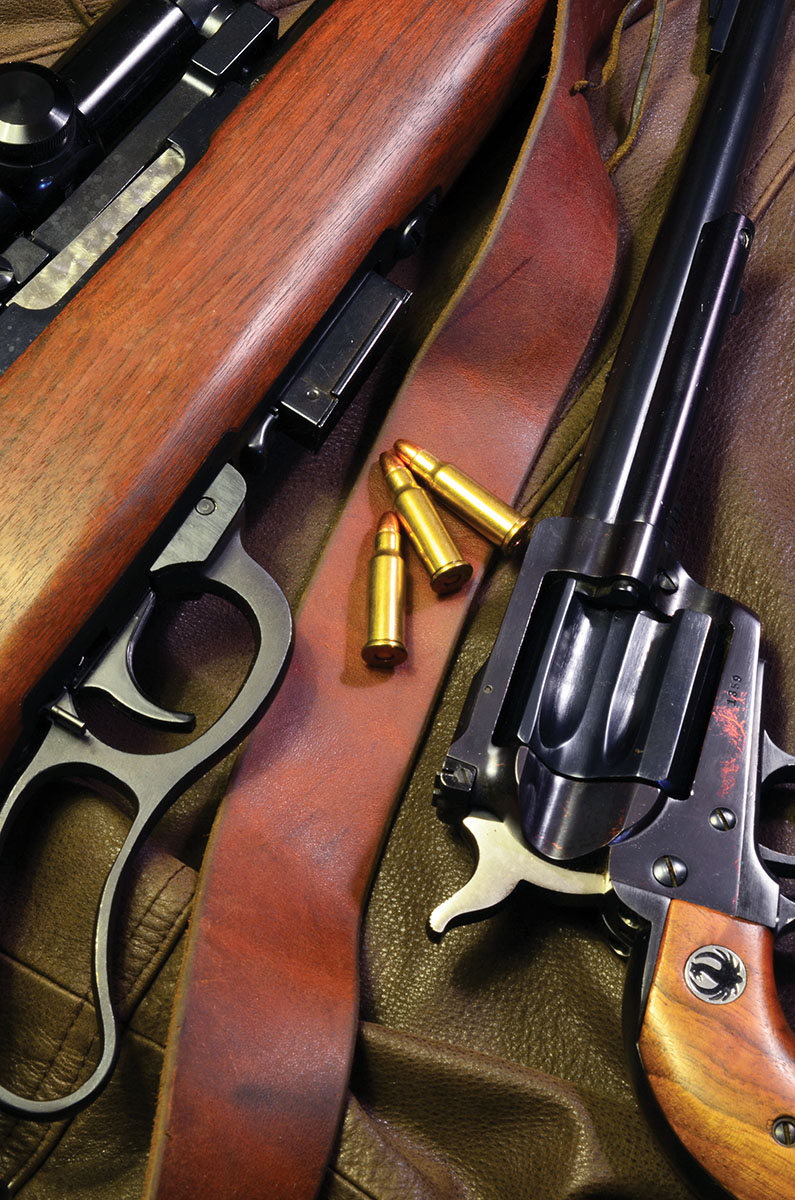
The Levermatic action is relatively short, limiting overall cartridge length to the SAAMI (Sporting Arms and Ammunition Manufacturers’ Institute) specification 1.590 inches. The Model 62 was fitted with a three-round clip that allowed a few thousand leeway, but not enough to make a difference. It works very well with the 60-grain flat-tip bullet the factory intended, and also the flat-tipped 70- and 75-grain bullets that used to be available, but if you try anything heavier or with a spitzer shape, and hence longer, the bullet is seated so deeply it seriously encroaches on powder space.
Even then, about the best velocity you can expect with an 87-grain bullet is around 2,000 fps. Why bother?
Not that there was much in the way of alternative bullets anyway, but looking at what’s available today compared to 15 years ago is disheartening, to say the least.
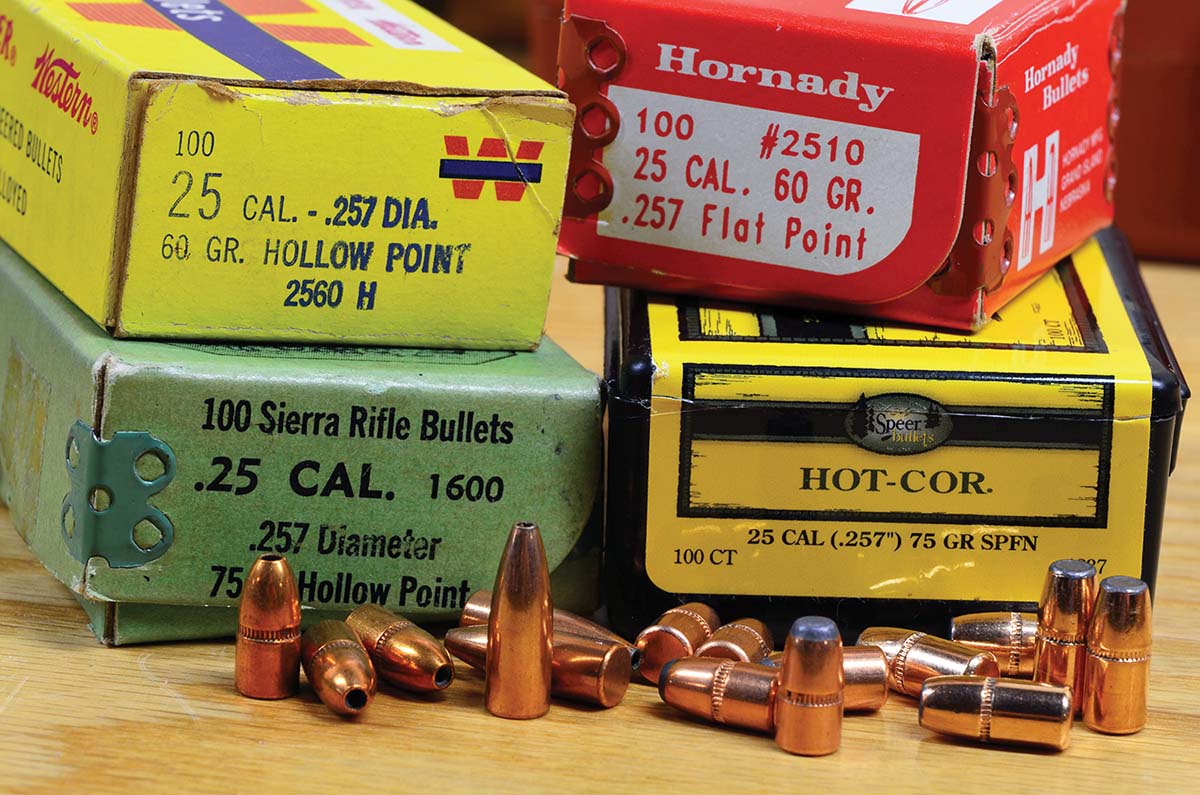
Back then, we had suitable bullets of different shapes from both Speer and Sierra in 70 and 75 grains. The lightest .257s now available from Speer are 87 grains, and all have spitzers and long ogives. Sierra’s light-est is its 70-grain Tipped VarmintKing (formerly BlitzKing). The mouth overlaps the ogive when seated to proper depth, which annoys me, but it’s usable. The same criticism applies to Hornady’s 75-grain V-MAX.
When I first started working with my 256 Win Mag, I concluded that Speer’s 75-grain Hot-Cor flatpoint was just about the ideal bullet for it. I laid in a decent supply and fervently wish I’d bought more.
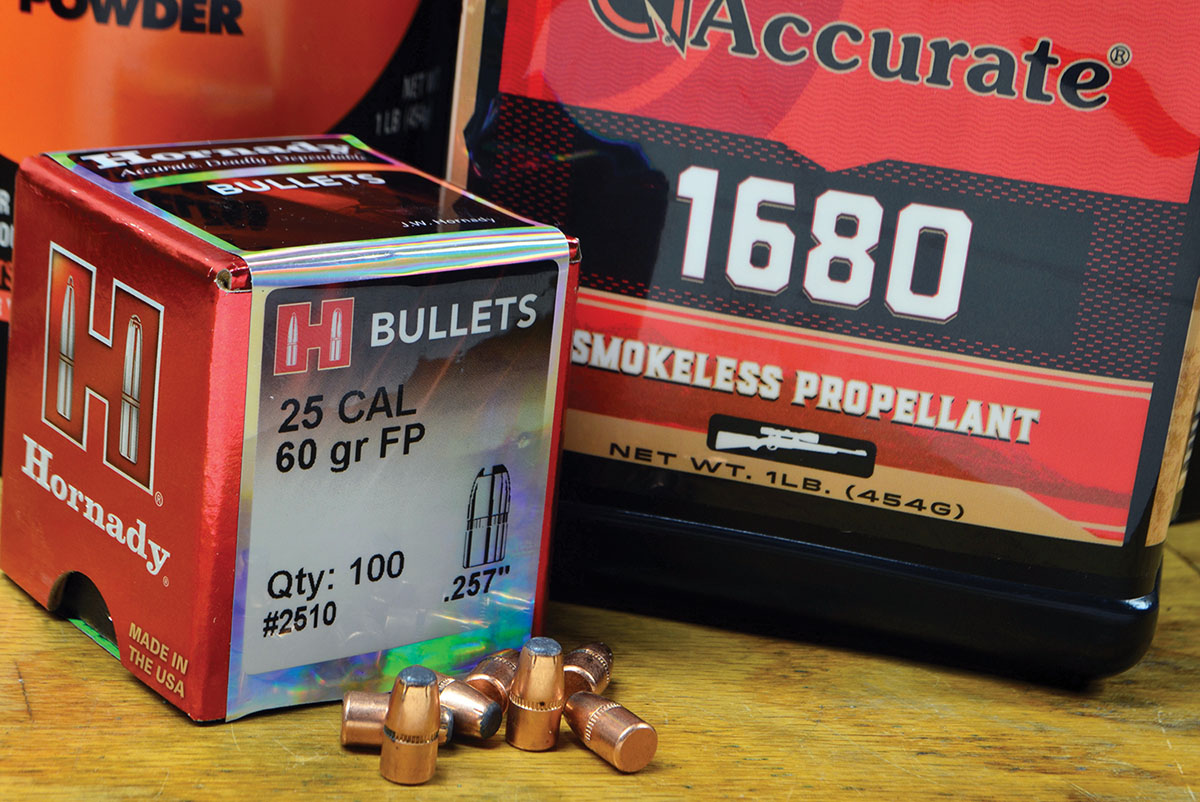
That left, and leaves, Hornady’s 60-grain flatpoint as the only jacketed game in town. However, if that’s all we’ve got, we’re not that bad off, because it’s an excellent bullet for the 256’s rather limited purposes.
On the cast bullet front, there are any number of appropriate slugs, most intended for the 25-20, which can be made to work well, and lend themselves to small-game hunting where the meat is edible, extreme tissue damage is not desirable and velocities are modest.
That leaves brass, and here we have a real problem.
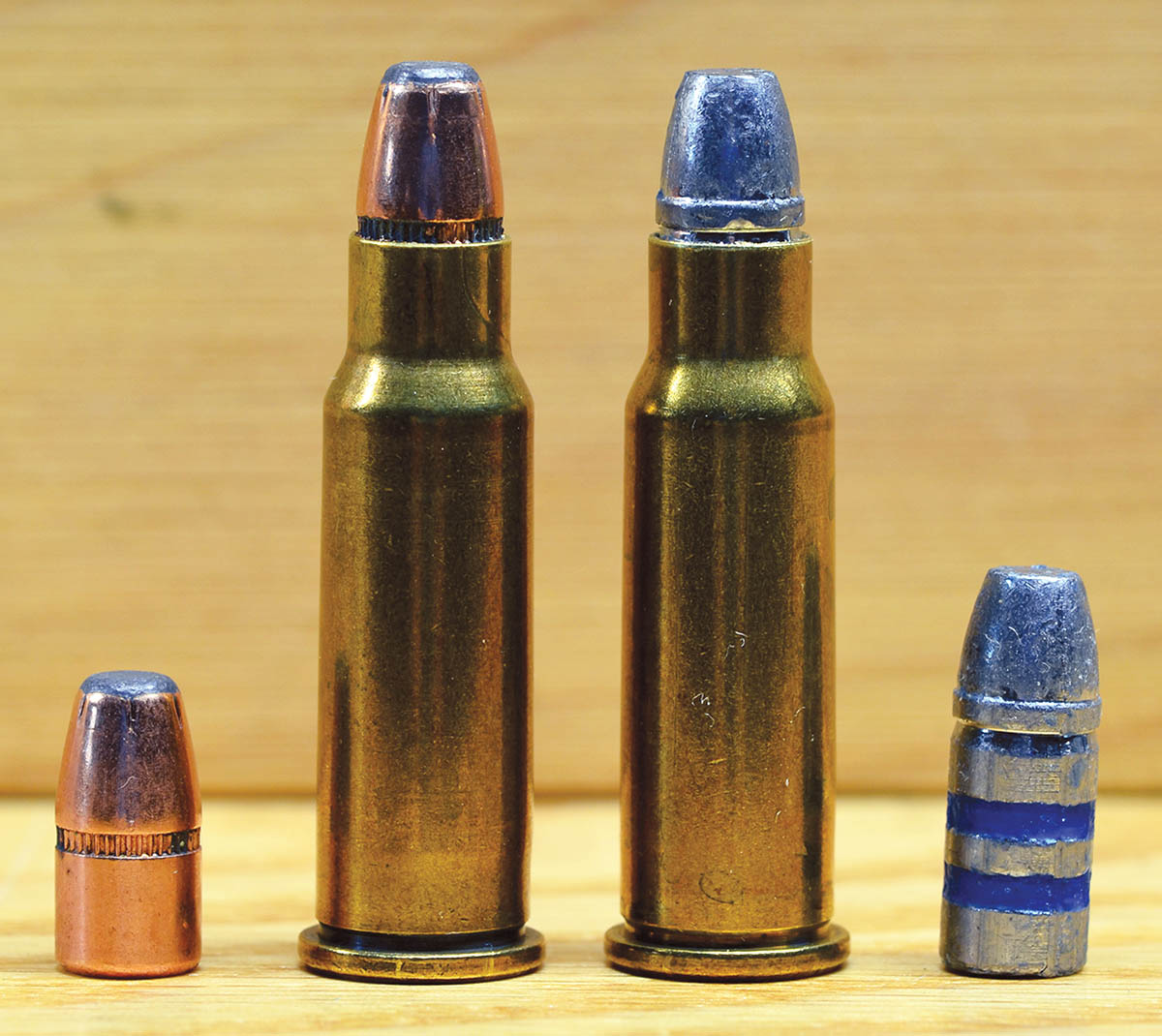
Winchester made its last run of 256 Win Mag ammunition around 1990 and factory brass became unavailable soon after. Winchester has always dodged in and out of the reloading market and the only other company to pick it up was Jamison Industries. Jamison did at least one run before fading from sight, and I obtained some from Huntington Die Specialties. Quality Cartridge lists it, but availability is doubtful. If anyone else ever made it, I am unaware of it.
Before I acquired the Jamison brass, and this was at least a dozen years ago, I had already learned to make my own. For anyone with a 256 Win Mag, this is a skill best acquired early because you are sure to need it eventually.
Oddly enough, although there were very few guns produced in 22 Jet, Remington produced a run of brass a few years ago. One can make 256 Win Mag brass from it, but it’s not as easy as it sounds, and you end up with brass that’s about 20 thousand short. Necking it up requires serious lubrication to avoid wastage, and then you have to fire-form. Still, it’s better than nothing.
Right now, the only companies that show 256 Win Mag dies are CH Tool & Die and Redding Reloading Equipment. Both offer forming dies as well as the standard full-length sizing and seating dies, which makes life easier.
Which brings us to forming brass from new 357 Magnum cases, and fortunately for us all, it is readily available, inexpensive and high quality. One caution: Avoid plated brass. Bob Hayley warned me against it years ago, and my experiments to see for myself did not turn out well.
The brass cannot be necked down in one pass and requires serious lubrication. In days of yore, they used either Ivory soap or pure lanolin. Obtaining the latter was more trouble than it was worth. Ivory worked well enough, but Imperial Sizing Die Wax, which is made specifically for the purpose, is the best.
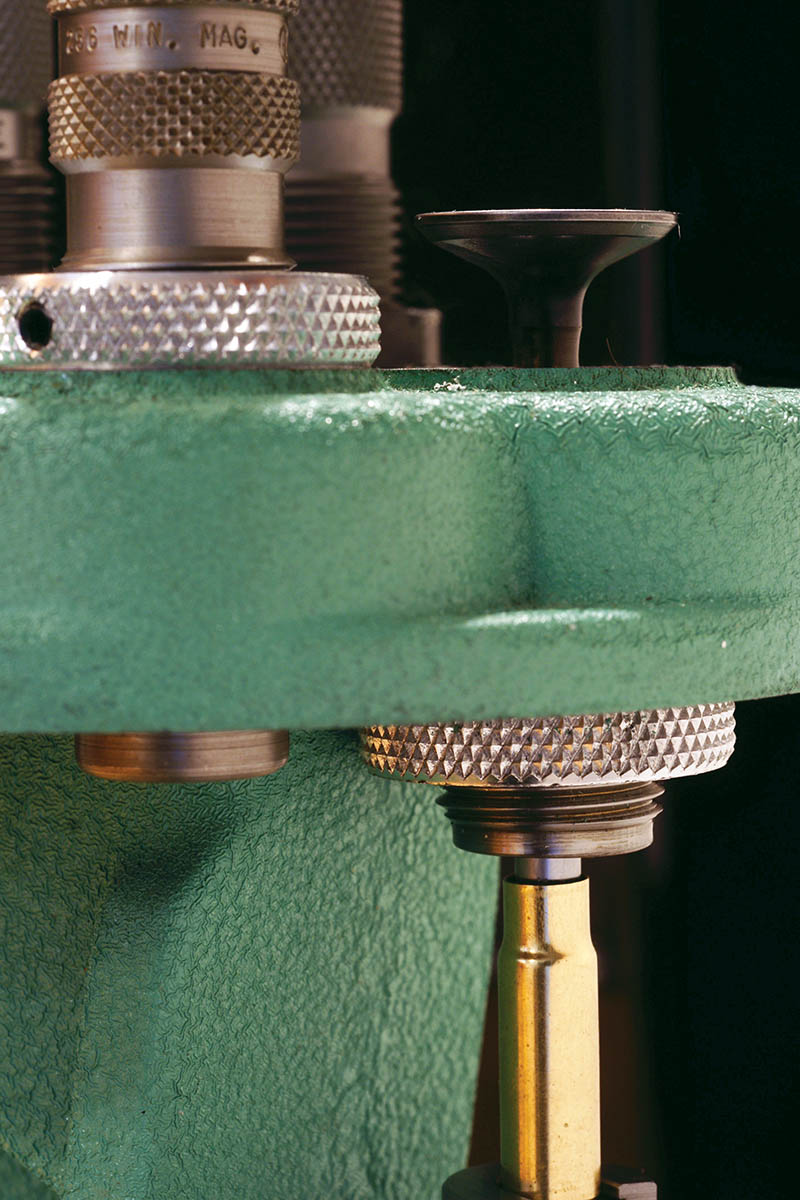
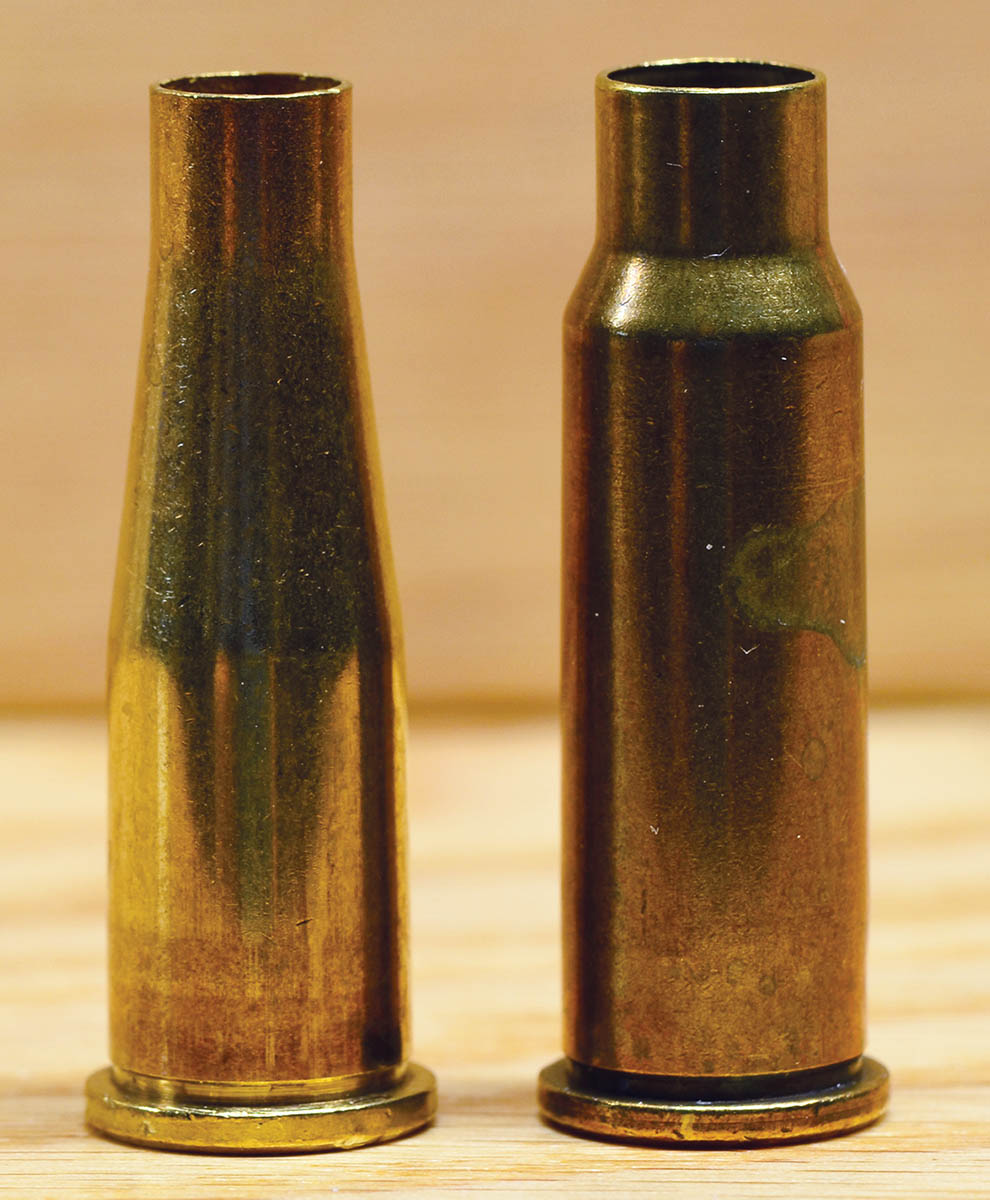
Another tip from Bob Hayley, to prevent neck crumpling in the last stage, is to place an automobile valve, with a .25-inch diameter stem, inside the final sizing die (see photo). It moves up and down with the case as it enters the die, and provides internal support to the neck.
Depending on the brass you start with, your final 256 case may be slightly long, and may have excessive wall thickness in the neck. The final sizing die is also a trim die, so you can tell immediately and file it down. This is followed by neck reaming, if necessary.
Before loading any ammunition, it’s a good idea to run every round through the chamber to make sure the breechblock will close.
From the beginning, loading data for the 256 Win Mag was scarce, never expanded upon and quickly dropped from most loading manuals. Oddly enough, although the factory ammunition was loaded with a 60-grain bullet, Lyman offered data for it in its Lyman Reloading Handbook, 45th Edition (1969), but in the 46th edition, it listed only 75- and 86-grain bullets. Hodgdon still has 60-grain data available.
Something to keep in mind is that the Levermatic has a particularly anemic extractor, and will slip over the cartridge rim at the drop of a hat, leaving you hors de combat unless you have a cleaning rod handy. This is a more than sufficient reason to avoid high-pressure loads. Lyman also cautions that 256 Win Mag chambers are often oversized, leading to resizing difficulties and case separations. Didn’t I say there were problems in every direction?
I am also advised by a former Hawkeye owner that, while factory ammunition worked beautifully, anything fashioned from .357 brass tended to stick. Between sticky cases, oversized chambers, case separations and variable capacity (depending on what brand of .357 you start with), the 256 Win Mag provides enough challenges to keep the most jaded handloader interested.
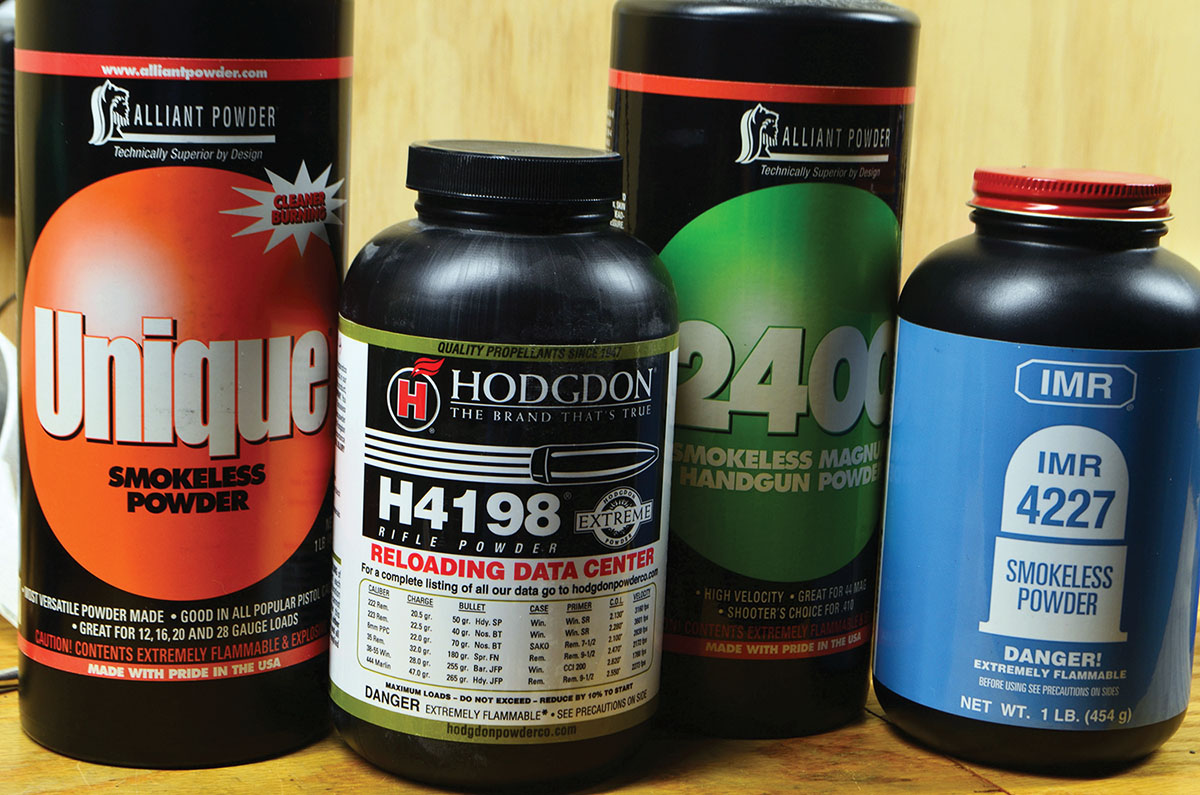
Suitable powders include 4227, now available only from IMR, but data for H-4227 works perfectly well, since it’s the same powder. For some reason, Hodgdon does not include data for 4227 on its website and never has, although every other source seems to prefer it.
Hodgdon recommends H-4198. Being slower, however, powder capacity becomes an issue. Even their starting load is slightly compressed. Alliant’s 2400, if you have or can find some, is ideal. As you can see from the table, my load with 2400 was a startlingly pleasant surprise, and that load is not even the recommended maximum.
For cast bullets, Lyman (the only real source) suggests Unique in addition to 2400 and 4227.
You will notice that some powders mentioned here are of dubious availability, with no enlightenment from the manufacturers as to whether they are gone for good or will come back at some point. In the case of Unique and 2400, I fervently hope it’s the latter.
The problem here is that so few 256 Win Mags of any description were made, no compiler of data is likely to get a pressure barrel and develop loads for new powders, the exception being Hodgdon data for A-1680. What we have is all we are ever likely to get. On the other hand, if all we have are Hornady’s 60-grain flatnoses, some good cast bullets, and a supply of 4227 and Unique, we are not bad off at all.
.jpg)