

Wildcat Cartridges
6mm International
column By: Layne Simpson | August, 26
.jpg)
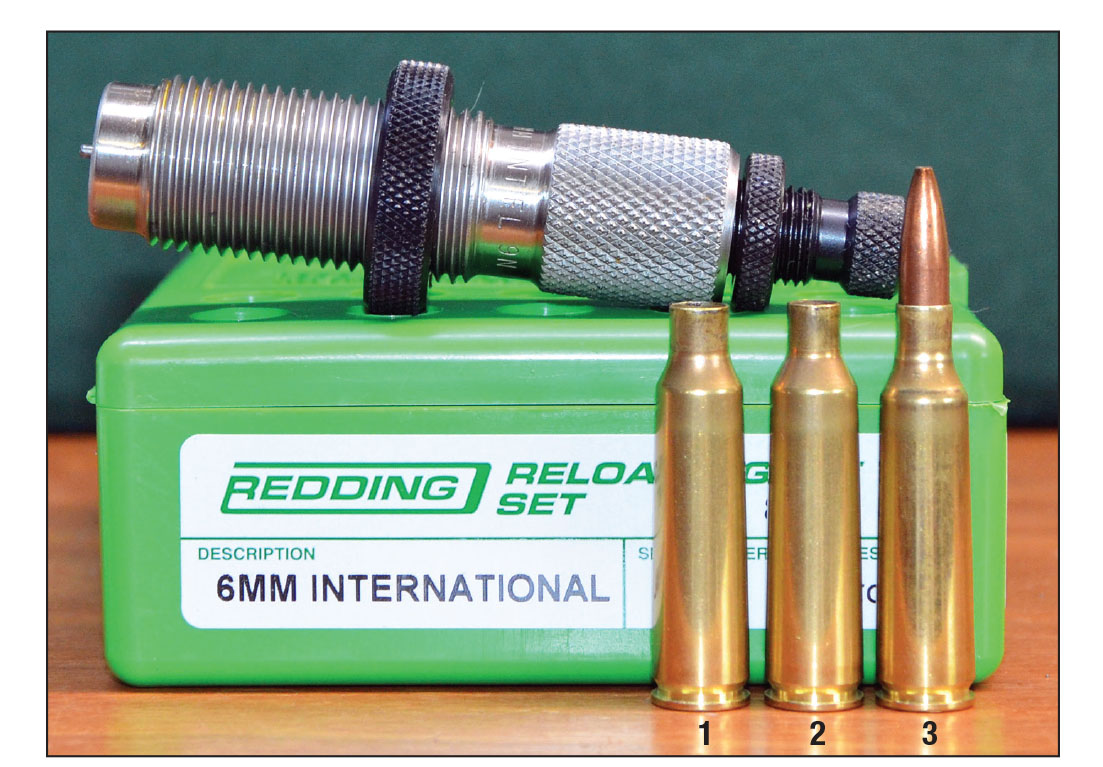
There was a time long ago when the sport of modern benchrest shooting was dominated by the 220 Swift, along with wildcats such as the 220 Wilson Arrow (also on the 220 Swift case), the 22-250 on the 250 Savage case, and the 219 Donaldson Wasp on the 219 Zipper case. Rifles of conventional design and shape (often on the 1898 Mauser action) were eventually separated into two classifications. The weight limit of those approved for Light Varmint class was 10.5 pounds, while Heavy Varmint rifles could not exceed 13.5 pounds.
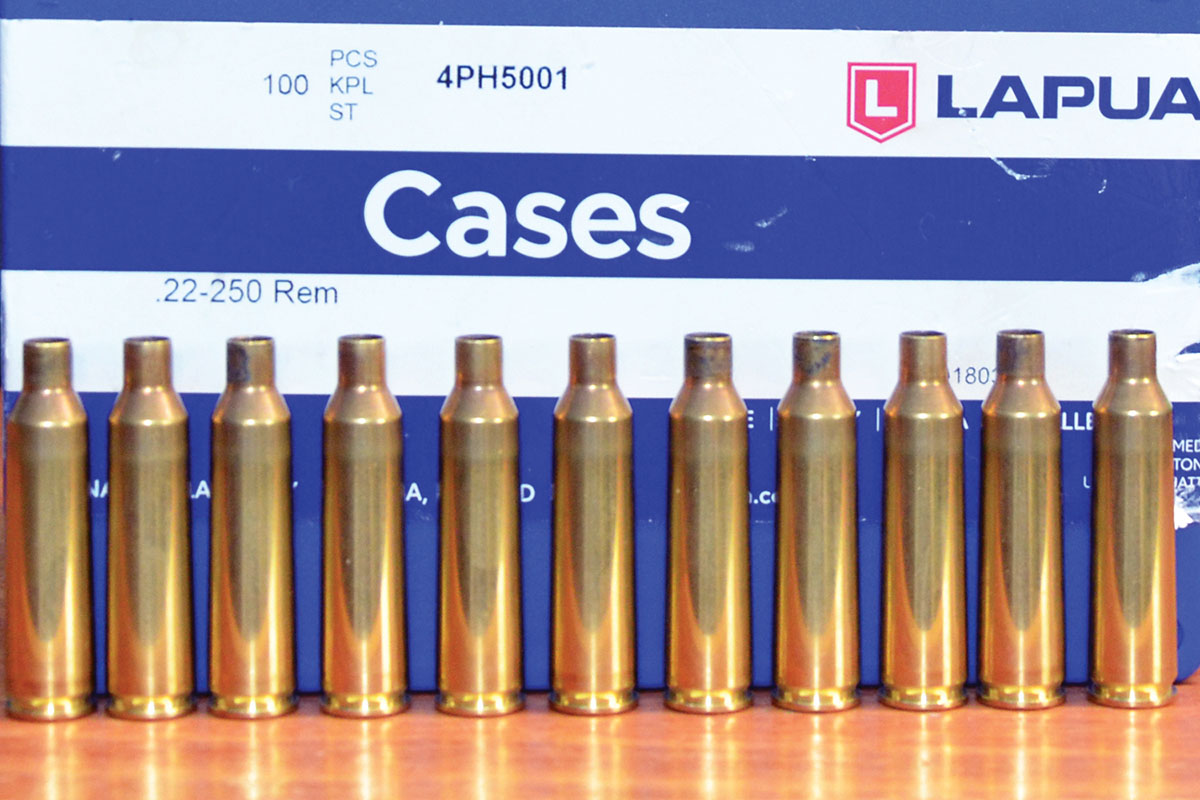
Then came the 222 Remington in 1950, and the old wildcat cartridges were eventually forgotten. Often fondly described as the “triple deuce,” the little cartridge went on to dominate benchrest competition. Faster than the 22 Hornet and 218 Bee while offering longer barrel accuracy life than the 220 Swift and 22-250, the little cartridge also won the hearts of many varmint shooters. Its dominance of benchrest competition eventually became rather worrisome among those who were in charge of the rules for the sport simply because the interest in wildcat cartridge development among competitors had virtually ceased to exist. Since most of the wildcats used by various competitors had been .22 caliber, a new Sporter classification with a minimum bullet diameter of .243 inch would surely generate additional interest in the sport. Rifle weight restriction was the same as for the existing Light Varmint class, and to make the new class even more appealing, a sporter rifle was approved for use in all three classes of competition.
Sporter class rifles in 308 Winchester were built and while they proved to be accurate enough to win matches, recoil proved to be a bit much. Jim Stekl, who was an engineer at Remington, shortened the 308 case to 1.5 inches, but a cartridge of smaller caliber was needed. No one seems to know who was first to neck up the 222 Remington Magnum case for .243-inch bullets, but Mike Walker was a primary suspect. A long-time Remington employee, Mike was a talented engineer whose long list of achievements included the button method of rifling barrels, and he assisted in the design of a projectile to contend with the armor of Germany’s Tiger tank. An accomplished benchrest competitor, Walker was the designer of the 222 Remington, and he was the originator of Remington’s Custom Shop, where the famous 40X rifle was built.
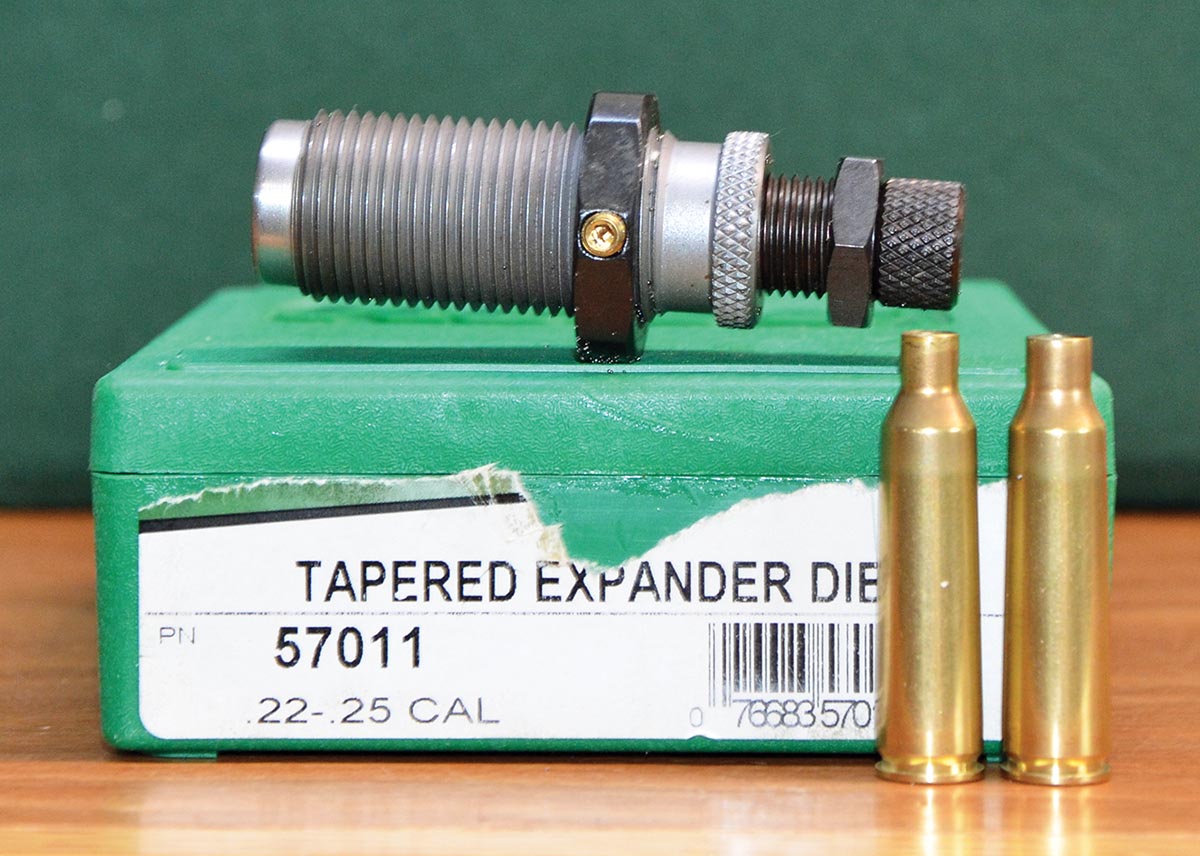
While the 6x47mm wildcat ruled over sporter class benchrest competition for many years, there was a demand for something
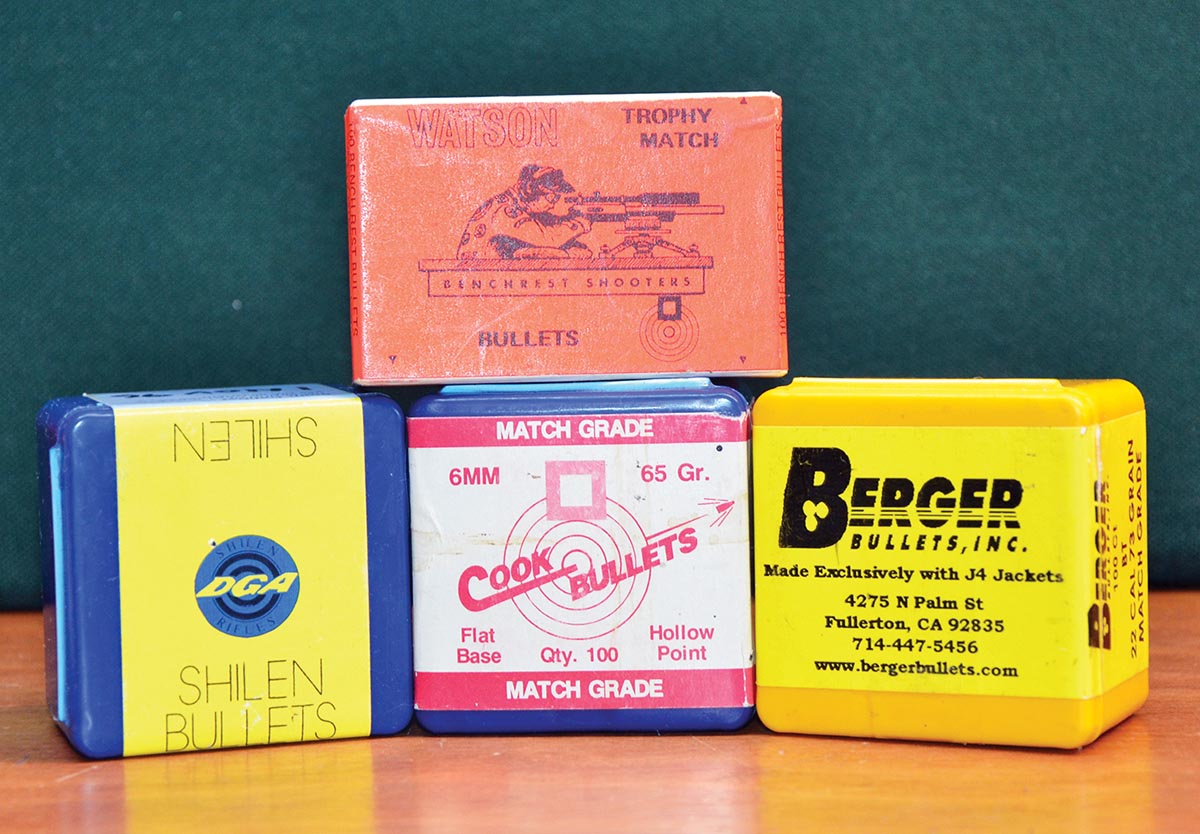
While writing this column, I compared the capacities of a few 6mm cartridges by weighing the cases and weighing again after they were filled to the brim with water. The averages were 49.5 grains for the 6mm International, 46.8 grains for the 6x47 Lapua, 45.2 grains for the 6mm GT and 40.2 grains for the 6mm Dasher. The 6mm Creedmoor and 243 Winchester cases had respective capacities of 52.6 and 55.2 grains.
While visiting a local gun show, I became quite interested in the 6mm International when spotting a heavy 27-inch barrel made by Remington for sale at a very good price. According to the seller of the barrel, he had purchased it from the owner of a 40X rifle in 6mm International, built by the Remington Custom Shop, who had decided to replace its barrel with one in 6mm BR Remington. Back home, my borescope revealed that the barrel had likely not been shot by its previous owner. On the other hand, I was a bit disappointed (although not surprised) to see that the barrel had the 1:14 twist of the 6x47mm cartridge. Traveling the opposite route taken by its original owner, I pulled the barrel from a rifle in 6mm BR Remington that I had used during my days of benchrest competition, and a gunsmith friend installed the 6mm International barrel. Not entirely satisfied with the factory chamber, he shortened the barrel to 24 inches and rechambered it with 6mm International reamers made by Clymer Tool.
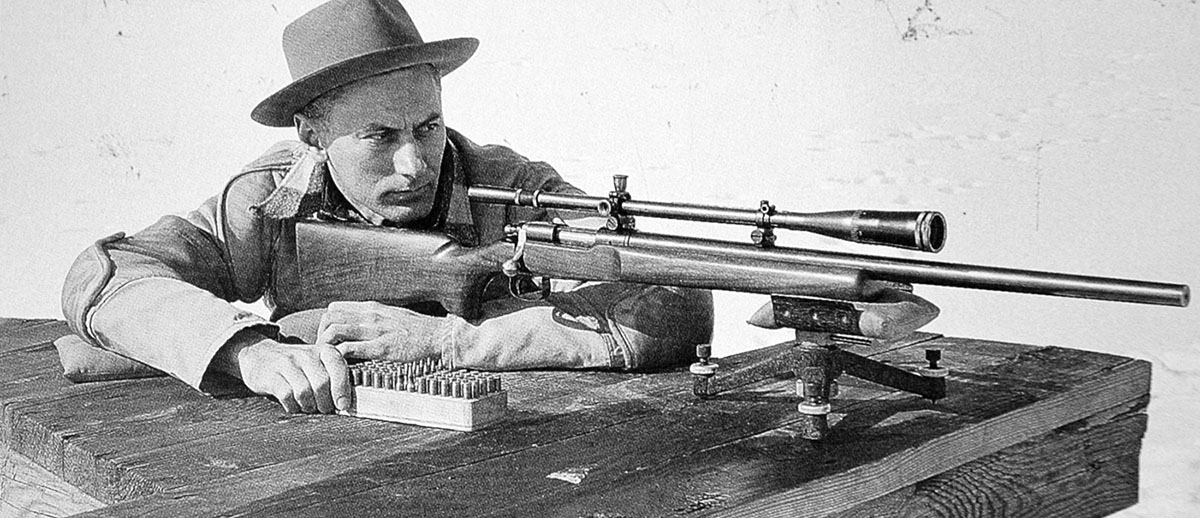
It might be of interest to note that the 6mm XC developed by 11-time NRA National Long Range Champion David Tubb is a more recent version of the 6mm International. Formed by necking up the 22-250 case, it mainly differs by a bit less body taper, a slightly longer neck and a 30-degree shoulder. Designed for punching paper and ringing steel out to 600 yards and beyond, it is commonly loaded with long match-grade bullets that require a 1:8 rifling twist. The Nosler Reloading Guide 9 has plenty of data for bullets ranging in weight from the 90-grain AccuBond to the 115-grain RDF (Reduced Drag Factor). The water capacity of the 6mm XC case is quite close to that of the 6mm International. The cases, pocketed for small rifle primers, are made by Peterson Cartridge and are available from Graf & Sons.
.jpg)